












.jpg)
.jpg)
.jpg)
.jpg)
.jpg)
.jpg)
.jpg)
.jpg)
.jpg)
.jpg)
.jpg)
.jpg)
.jpg)
.jpg)
.jpg)
.jpg)
.jpg)
.jpg)
.jpg)
.jpg)
.jpg)
.jpg)
.jpg)
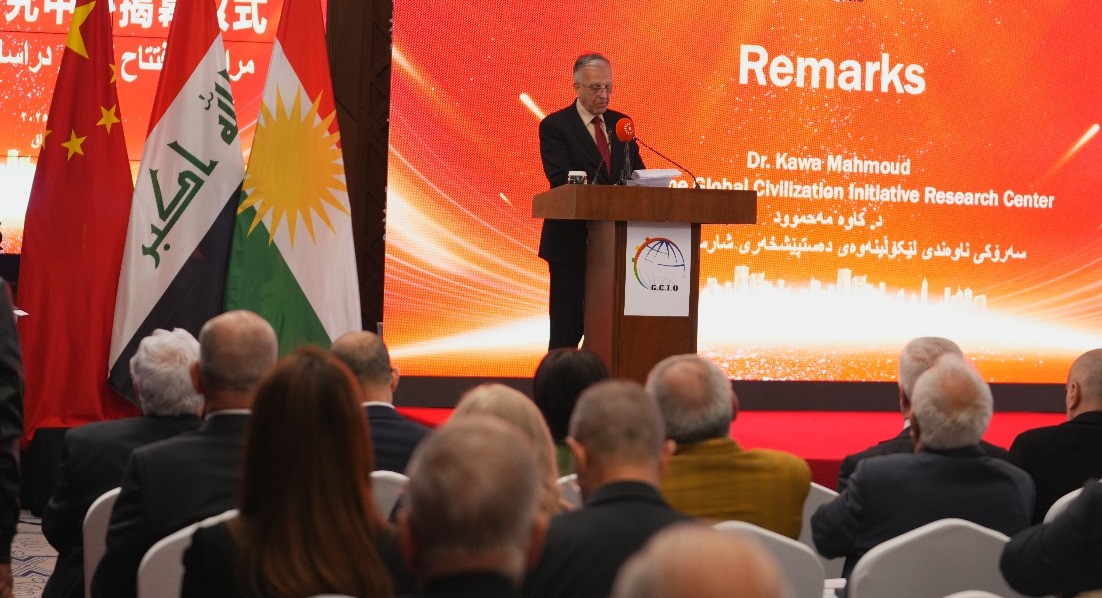





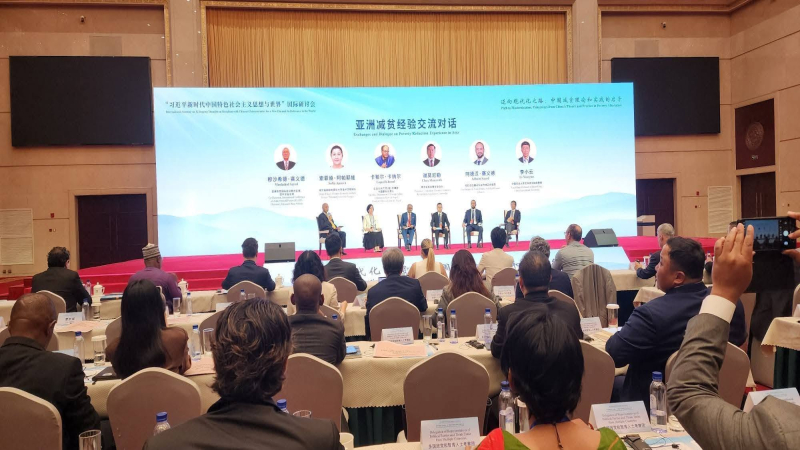
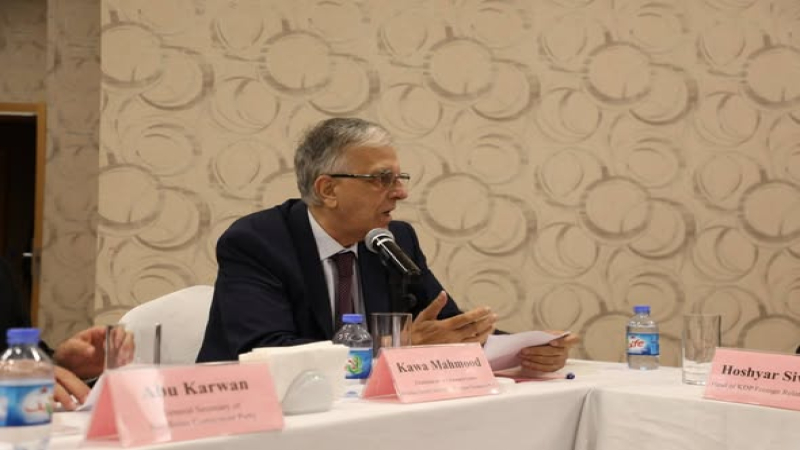
Dr. Kawa Mahmoud
Poverty eradication is a key dimension of China's reform and opening-up policy. This policy has undergone a radical transformation since the 18th National Congress of the Communist Party of China in 2012, when a comprehensive policy was launched that has lifted millions out of poverty. China's contribution to global poverty reduction has reached 30%, a significant achievement for modern humanity, reflecting the power and capacity of the socialist system to effect social change. This achievement has been recognized by the United Nations.
China has successfully eradicated extreme poverty ahead of the target set by the UN's 2030 Agenda for Sustainable Development. This success is not the result of a separate social program, but rather the fruit of an organic link between development strategy, socialist modernization, nation-building, and the leadership of the Communist Party of China.
In his report to the 20th National Congress on October 22, 2022, Xi Jinping noted the success of the Communist Party of China in taking targeted and effective measures to help the poor, harnessing its main strength in the battle, and winning the largest-scale battle to eradicate poverty in human history. The report states: “The stigma of poverty has been removed from all 832 impoverished counties in the country, lifting approximately 100 million rural residents out of poverty and resettling over 9.6 million people living in poverty. The problem of absolute poverty has been resolved for a historic period, making a significant contribution to the global fight against poverty.
Nearly 100 million rural residents have been lifted out of extreme poverty according to the national standard.
All previously listed impoverished counties have been removed from the poverty list.
This goal was achieved ten years ahead of the UN 2030 Agenda.
This represents a historic milestone in building a moderately prosperous society in all respects.”
The issue of poverty eradication holds special importance and a significant place in Xi Jinping's memory and political thought. In one of his speeches on November 15, 2023, he said: "When I was under 16 years old, I lived and worked with peasants in a small village in northern Shaanxi. I know very well what the people are worried about and what they hope for. Half a century has passed since those days. Being among the people makes me feel at ease, and being with them gives me strength. Selflessness in order not to disappoint the people has been my belief throughout my life. When I first assumed the post of General Secretary of the Central Committee of the Communist Party of China and President of the People's Republic of China, there were still 100 million people in China living below the poverty line set by the United Nations. After eight years of struggle and hard work, all of these poor people were freed from the clutches of poverty... More than 1,800 members of the Communist Party of China sacrificed their lives to solve the intractable problems of poverty alleviation." Delving into Xi Jinping's thought reveals the dialectical relationship and interdependence between modernization, high-quality development, poverty eradication, common prosperity, a decent standard of living, political and social stability, and the role of the Party and the state in achieving these goals.
In this regard, and to ensure the success of the poverty eradication policy, Xi Jinping, General Secretary of the Communist Party of China, proposed six interconnected key areas: details for identifying the needs of those in need; details for preparing and presenting projects; details for allocating the necessary budget and funding for these projects; details for implementing the work steps in this field; details for sending personnel to impoverished villages; and details for evaluating the results and impacts of implementing poverty eradication policies.
This policy was not limited to providing aid, funds, and food, but also included creating job opportunities, combating illiteracy, developing human capabilities, building productive and service-oriented projects in rural areas, and focusing on agriculture and public health.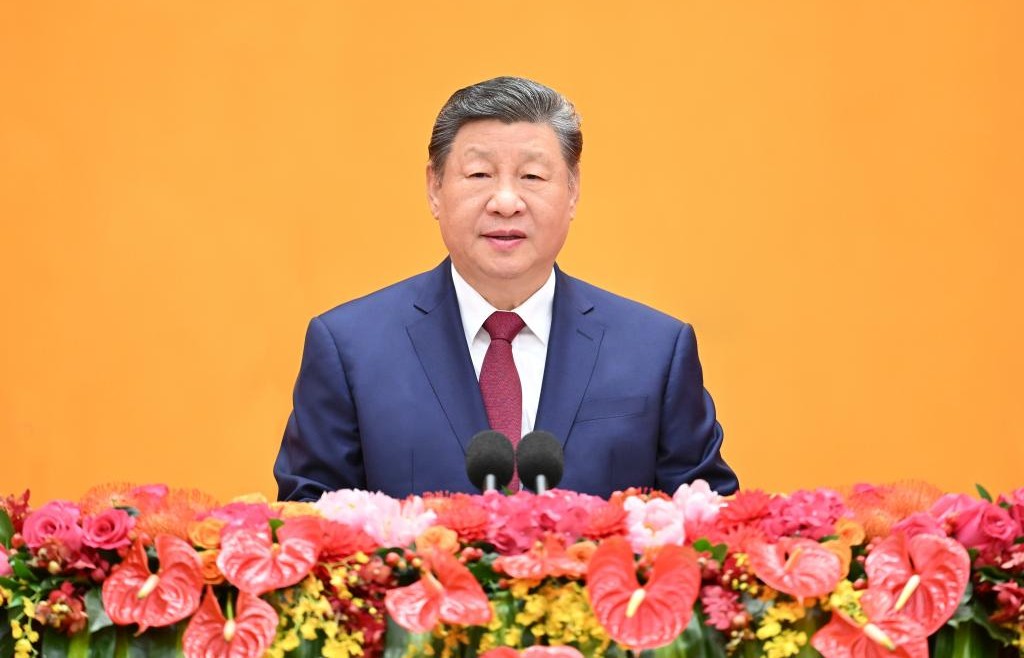
These six key areas of Xi Jinping's approach represent a comprehensive intellectual foundation built on studying practical realities and linking these principles to concrete implementation in the successful eradication of poverty in China.
These principles were reflected in the following practical applications:
1. The Party directly supervised the leadership and implementation of the poverty reduction strategy. Since the 18th Party Congress, eradicating poverty has been the "first task" for achieving comprehensive development of a moderately prosperous society. Specific targets were set for each province, village, and household, with a rigorous system of accountability and evaluation.
Therefore, the Party's mission and responsibility was to work towards improving the living conditions of the people in general.
2. The issue of poverty eradication was linked to the task of socialist modernization, which must be inclusive. Thus, the goal became achieving balanced national development, regional development, equal opportunities, and reducing the rural-urban gap.
3. Initially, several questions were addressed: Who are the poor and needy? Who is eligible for assistance? What are the causes of poverty? And what type of assistance should be provided to ensure their escape from poverty?
Therefore, solutions varied between agricultural, mountainous, ethnic, and border regions. 4. Linking poverty eradication policies to sustainable development. China has achieved high growth for decades, creating ample job opportunities and raising the incomes of hundreds of millions of people, which has had a positive impact on rural development.
5. Integrating impoverished areas into the national economy and achieving successful rural development by investing in roads, electricity, internet, schools, hospitals, and drinking water.
6. Investing in human capital through education, vocational training, healthcare, social security, and local industrial development. This involves moving beyond mere cash assistance to establishing small and medium-sized enterprises (SMEs) that utilize local resources.
7. Adopting policies that reduce class disparities by improving income distribution, expanding the middle class, and preventing excessive wealth concentration.
8. Working to prevent backsliding and preserve the gains made in poverty eradication by establishing long-term government mechanisms to monitor households at risk of falling back into poverty and intervene early. This includes implementing the rural revitalization strategy, expanding social security coverage, continuously investing in rural infrastructure, improving education and healthcare in rural areas, and developing local industries and the digital economy.
Finally, we must ask ourselves: Why was China able to eradicate extreme poverty?
China has offered the world a rich experience demonstrating that humanity has the opportunity to eradicate poverty, and that socialism, through policies emphasizing modernization and economic development, long-term planning, investment in human capital, rural development, and effective governance, can achieve a unique historical accomplishment in human history.