















.jpg)
.jpg)
.jpg)
.jpg)
.jpg)
.jpg)
.jpg)
.jpg)
.jpg)
.jpg)
.jpg)
.jpg)
.jpg)
.jpg)
.jpg)
.jpg)
.jpg)
.jpg)
.jpg)
.jpg)
.jpg)
.jpg)
.jpg)
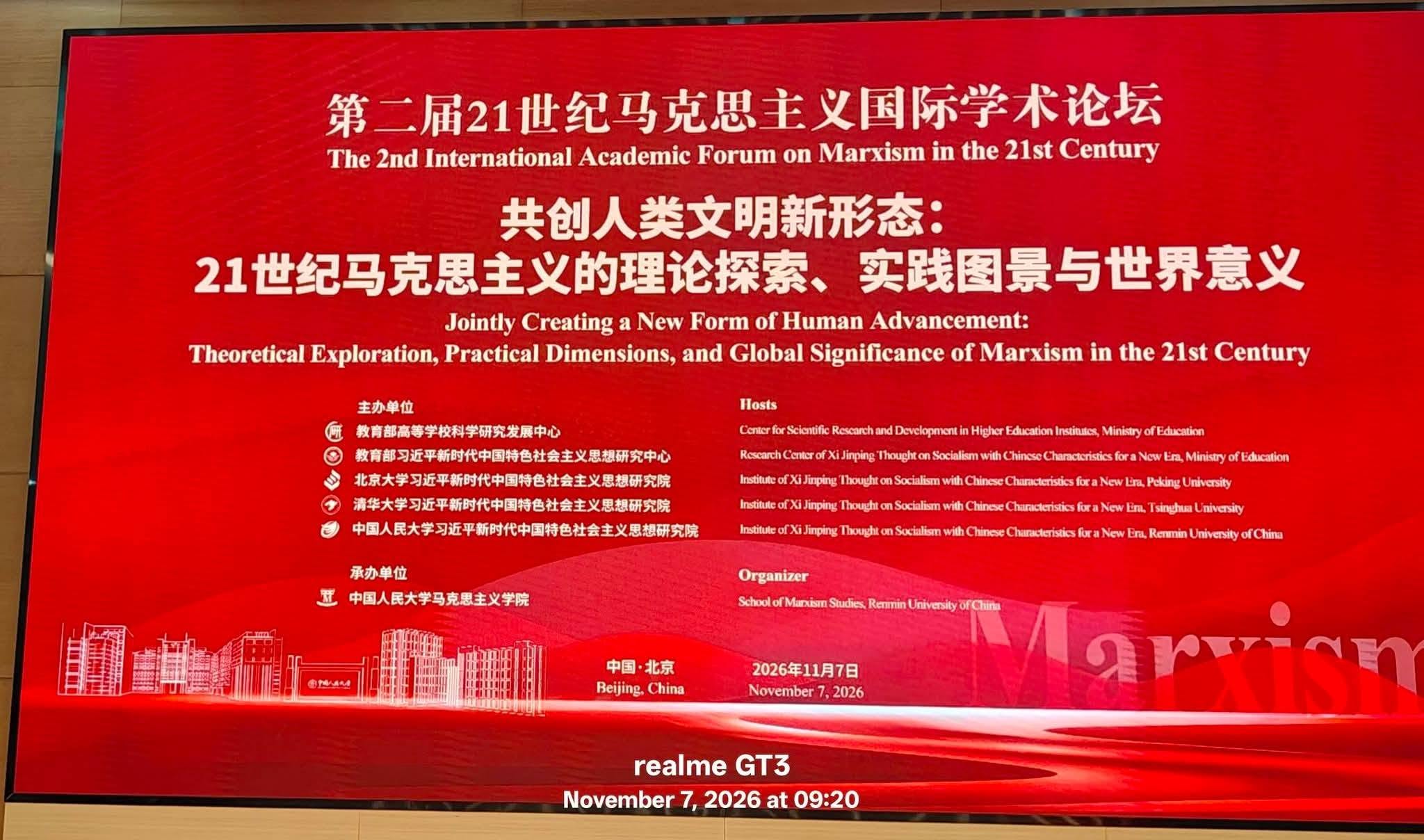
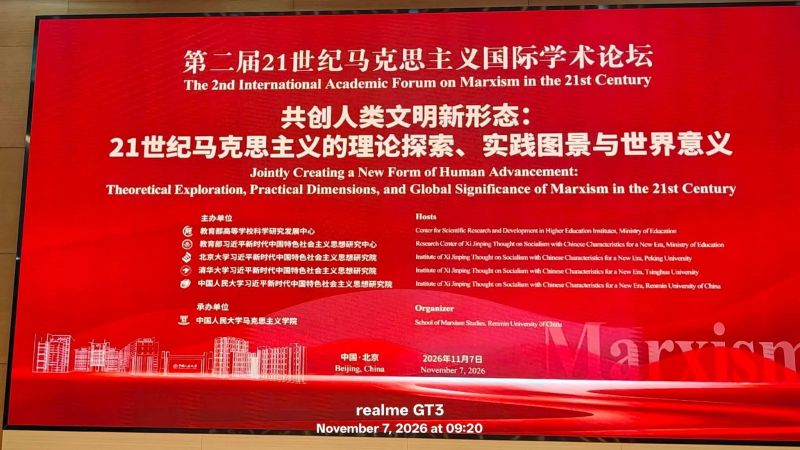
Xi JINPINGS thought contributed to the question of Marxism in the Twenty-First Century

D. Kawa mahmoud
I. The Overall Picture: The Nature of the Twenty-First Century
- The changes in the character of the era indicate that it is no longer regarded as an era of transition from capitalism to socialism, as was maintained by most communist and Marxist parties during the Cold War.
That does not mean that we stopped our straggle tor social change, equality and socialism.
- The nature of the contradictions prevailing in the new era differs from that of the previous century, although the twenty-first century has inherited many of the unresolved problems and contradictions of the twentieth century.
- Class transformations are taking place in society both globally and within nation-states.
- Rapid advances are occurring in scientific progress and artificial intelligence.
- Developments in the means of production and the forces of production are having an impact on the emergence of new relations of production.
- The productive forces are developing at an unprecedented pace, driven by the accelerating rhythm of the scientific and technological revolution.
- Productive and economic changes are affecting social structures, tending to reduce the role of living labor embodied in the industrial proletariat while increasing the role of intellectual workers in the production process.
- These developments and transformations are being reflected in social life and are playing a role in shaping a new form of socialism and the paths of struggle required to achieve it.
- The problems confronting the world are intensifying in areas such as the persistence of wars, the environment, development, and international relations.
II. What Has Xi Jinping's Thought Contributed to the Question of Marxism in the Twenty-First Century?
A. Xi Jinping's Methodological Approach to This Question
1. Grasping the scientific theory of Marxism** by upholding its spirit and roots of theoretical innovation, while also assimilating traditional Chinese culture.
2. Combating insularity, rigidity, and conservatism** while broadening theoretical horizons through learning from all the achievements of human civilization.
3. Providing practical answers to complex questions** arising from the rapid developments in domestic and international affairs, while identifying common problems that need to be addressed in ways that serve global civilization.
4. Sinicizing Marxism in a manner that creatively harmonizes with the internationalist character of Marxism.
5. Strengthening the systematization and academic development of the Party's theories.
6. Grounding theoretical innovation and its enrichment, including the development of twenty-first-century Marxism, in the concrete needs and creative capacities of the people**, recognizing the people as the makers of material and spiritual wealth throughout history.
7. Establishing the fundamental mechanisms for translating theoretical orientations into practice** through the political party and the active participation of the people.
B. What Has This Methodological Approach Produced at the International Level?
1. The Global Security Initiative.
2. The Global Development Initiative.
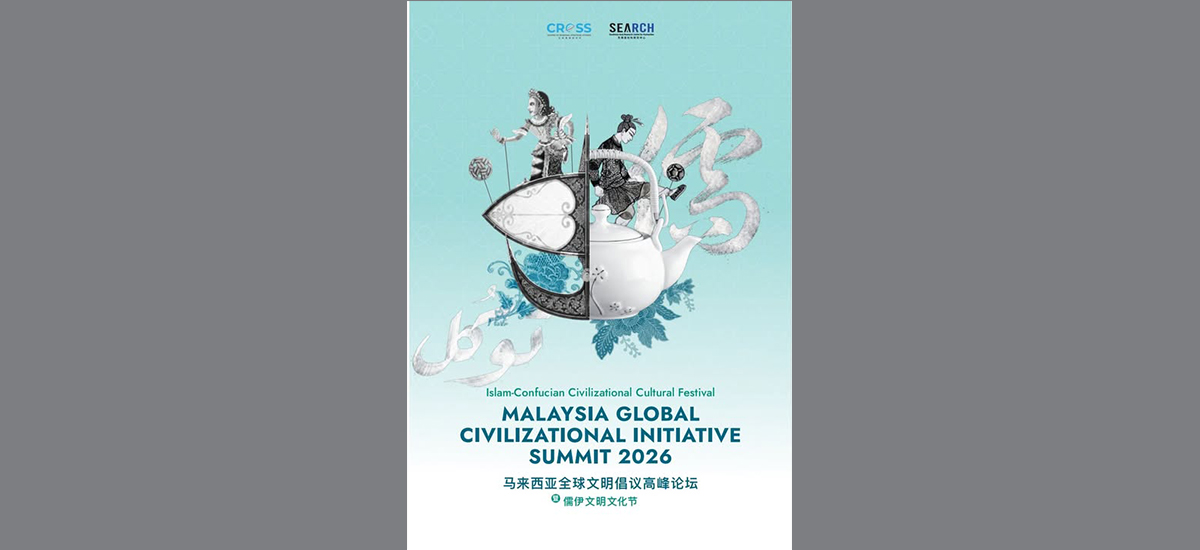
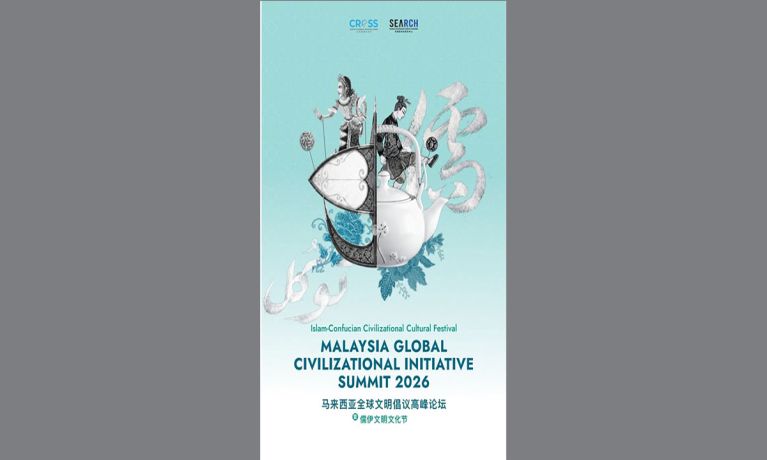
3. The Global Civilization Initiative.
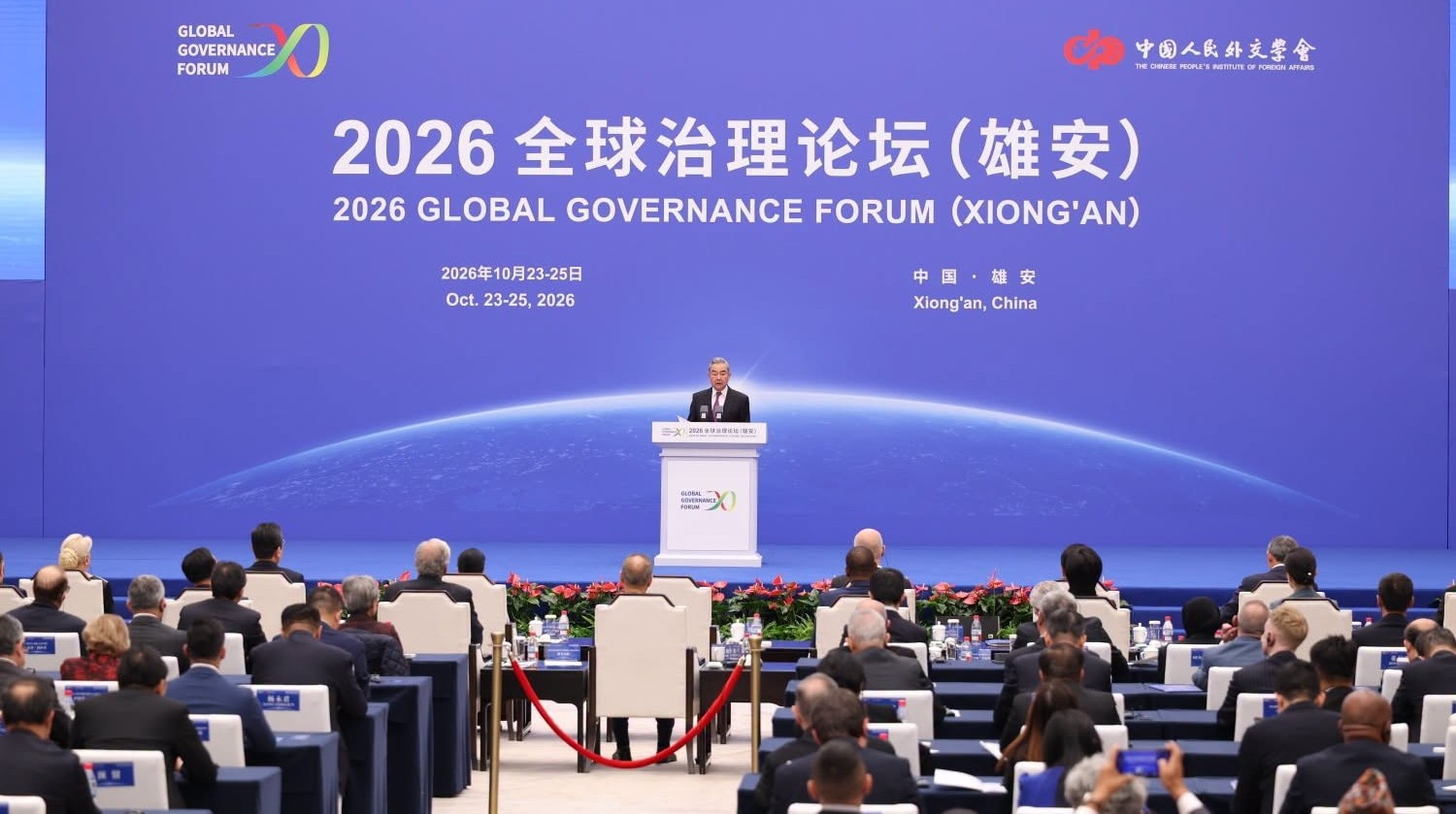
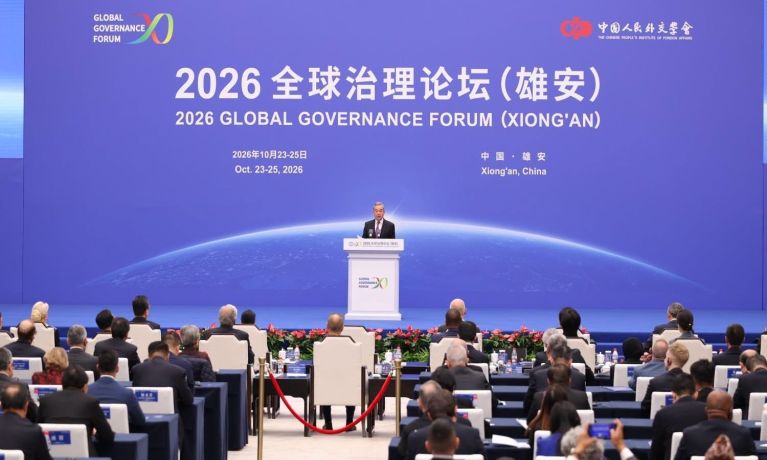
4. The Global Governance Initiative.
These initiatives are situated within the framework of building a community with a shared future for humanity.
C. What Has This Methodological Approach Produced at the National Level in China?
- High-quality development.
- The eradication of poverty.
- The development of people's democracy.
- Unity among China's ethnic groups.
- Innovation in science and technology.
- Progress in education, culture, and healthcare.
- The building of a moderately prosperous society in all respects
III. What Should Our Methodological Approach Be When Discussing Marxism in the Twenty-First Century?
- Undertaking an in-depth, comprehensive, and rigorous study of Marxism through its primary sources.
- Drawing on the experience of struggle by linking theory to practical activity.
- Understanding Marxism as a general philosophical worldview through which to comprehend the universe (nature), history (society), and human thought. This worldview is grounded in a materialist perspective consistent with the laws of objective dialectics, which reflect the internal movement of the universe, history, and thought.
- Upholding the essence of Marxism as a critical theory through an ongoing process of review and evaluation.
What Does the New Landscape Require?
- Linking modernization to the movement of history.
- In Marxism, modernization means interpreting reality, adopting a critical perspective toward existing conditions, and striving to transcend them through change.
- Marxism, as a method of thinking and a foundation for modernization, requires us to understand and examine things as they are, in accordance with their independent objective laws, their movement and development, their effects, and their mutual relations.
- Modernizing our approach to thought means avoiding an exclusive focus on a single contradiction and instead examining the political landscape in all its interconnectedness and complexity.
- Politics must be understood as an expression of prevailing social and economic relations. These relations are neither absolutely stagnant nor static; they are in constant motion and undergoing change.
- If reality is changing, is it reasonable to assume that ideas can remain valid and accurate while detached from this changing reality?
- Ideas are reflections of material reality, which exists independently of our desires and will.
- Ideas are valid to the extent that they can adequately express the movement of reality.
- Marxism in the twenty-first century will remain valid to the extent that it can reflect objective truth and the movement of reality.
- For Marxism to remain renewed and relevant, it must preserve the spirit of dialectics.
- Marxism should not be regarded merely as a contemplative philosophical practice that seeks to understand the world. Since the task is also to change the world, priority must be given to the fundamental field of struggle: the dialectical relationship between theory and practice.
- Efforts must focus on winning people's confidence in the socialist alternative by continuing to pursue modernization in both thought and practice.
- The historical mission of our communist and Marxist parties in the new era must be articulated through political orientations capable of providing convincing answers to the complex questions confronting humanity today.
- Discussing Marxism in the twenty-first century requires the modernization of communist and Marxist parties. This means renewing their theoretical and organizational structures so that they are no longer constrained by concepts and instruments that emerged under different historical conditions.
- Twenty-first-century Marxism means rooting Marxism in concrete social realities and reconstructing the grand narratives that inspire and mobilize the people toward socialism.
- Today, Marxist thought is present in peace movements, environmental protection movements, feminist movements, human rights organizations, and social movements struggling against poverty, unemployment, and social marginalization.