April 8, 2026:
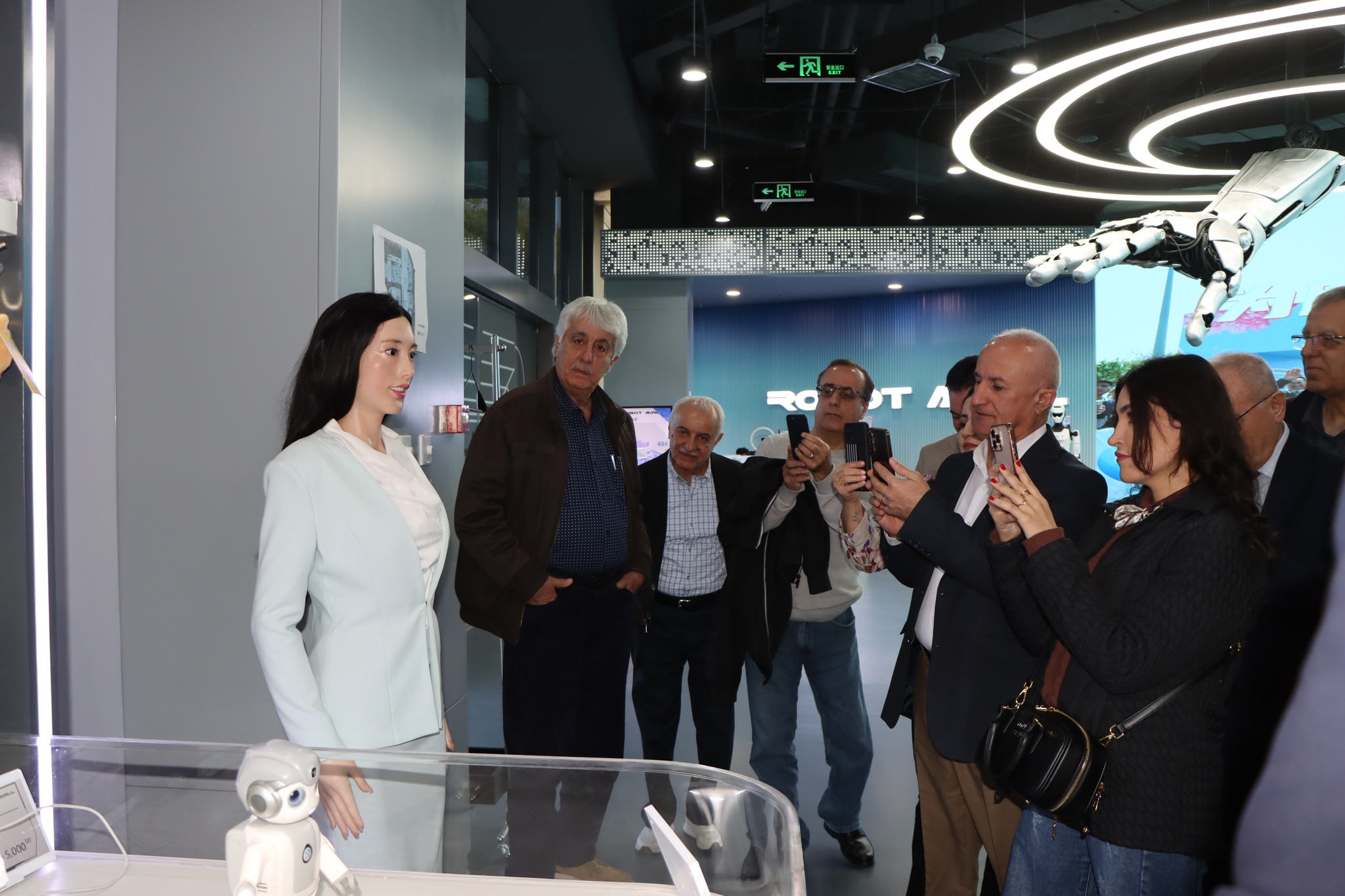
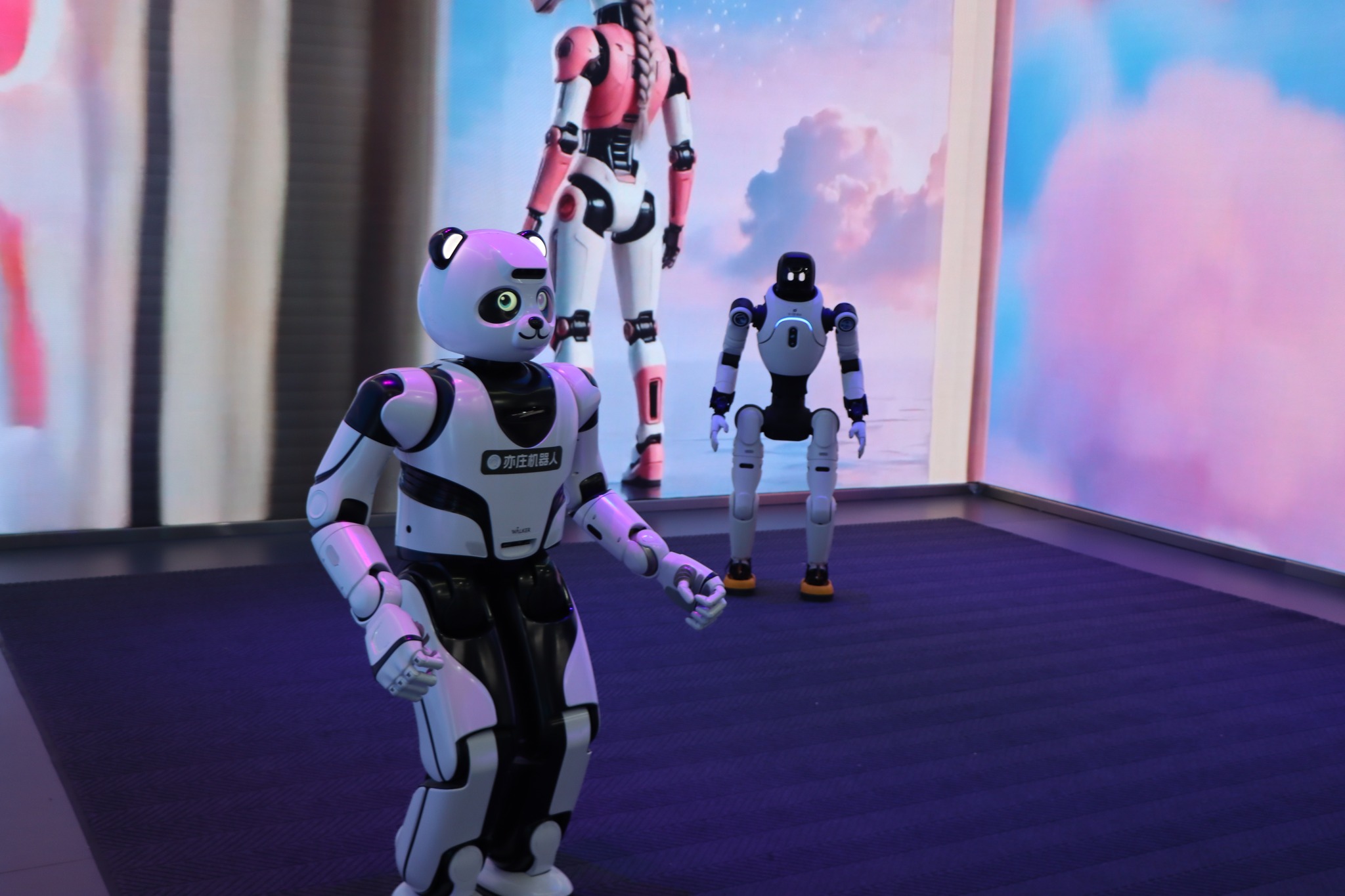
Morning Visit: "Beijing Economic-Technological Development Area," self-driving exhibition, and robot exhibition.
This visit highlighted the concept of "High-Quality Development." China's new perspective on technology has shifted from a "tool of control" to a "tool of liberation and well-being" for humans. "Harmony between human and technology" implies that innovations must serve the protection of the environment and human values, not just material profit.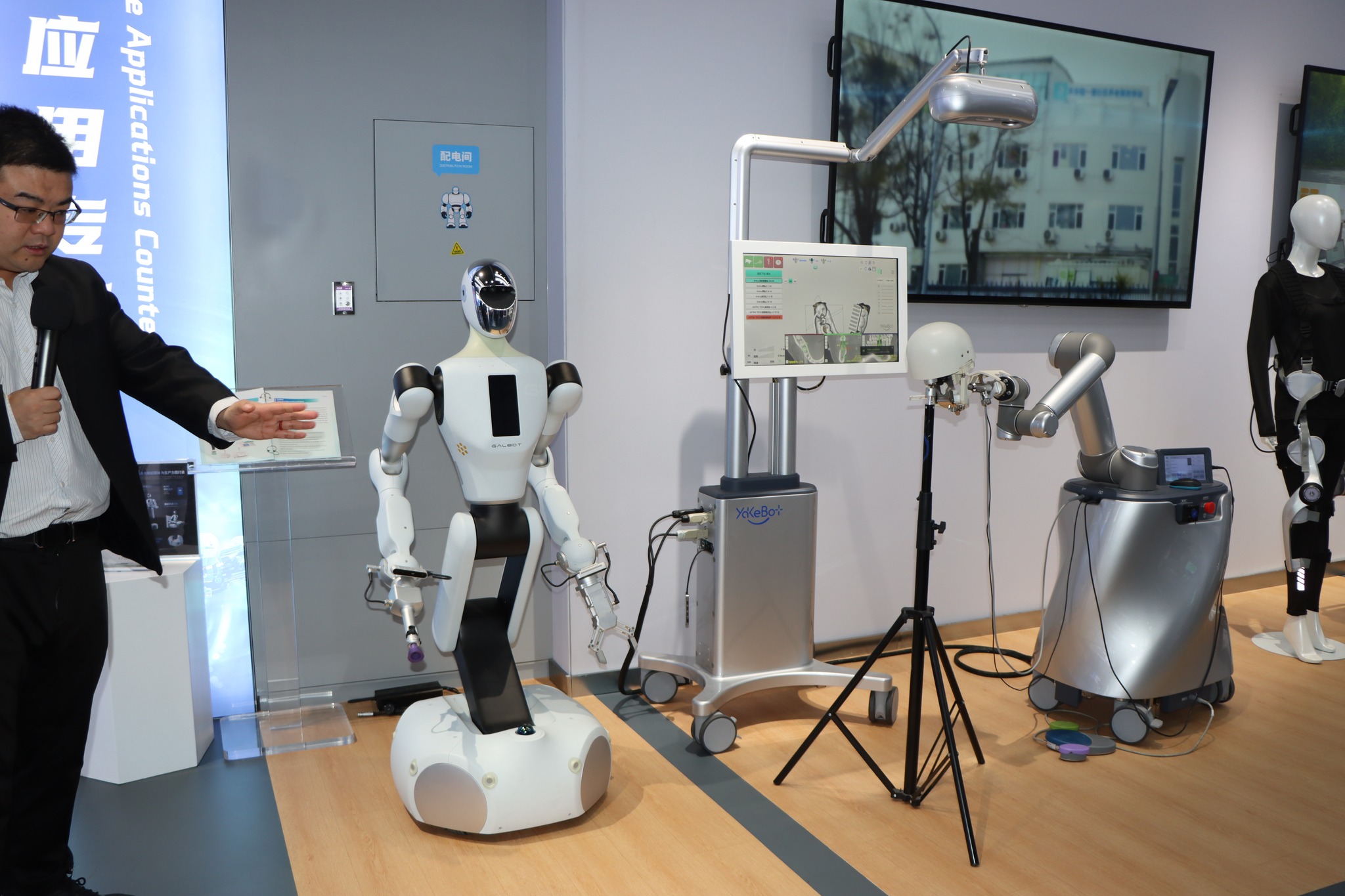
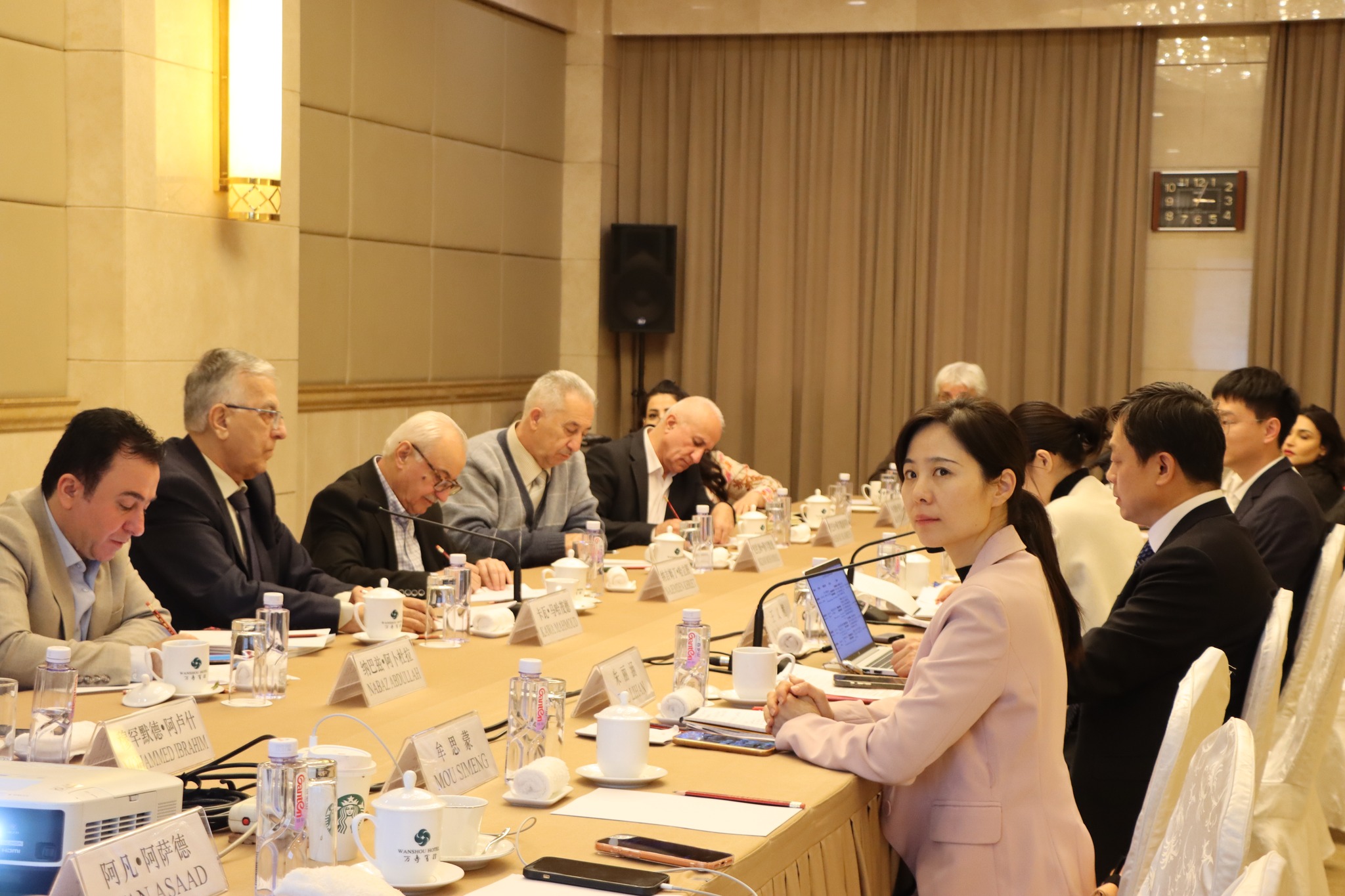
Afternoon Activity: Participation in a special lecture on the "Global Civilization Initiative" (GCI) and discussing its significance for the world at large. It was stated that "in a complex world full of conflict, where cultural differences are often seen as a cause for tension, the Global Civilization Initiative emerges as a human and strategic message to gather the world under one common umbrella." This initiative is not just a political plan but a call to return to original human principles.
The importance of this topic lay in the emphasis on "respecting the diversity of civilizations." Instead of imposing a single model of development or a specific culture on the world, this initiative tells us that every nation and civilization possesses its own history and values and can contribute to enriching the human journey. This is a path to ending the prevailing view of the "clash of civilizations" and transforming it into a "dialogue of civilizations."
Another important point of this initiative relates to the "common values of humanity" such as peace, development, equity, and democracy. These values are not the property of any specific party but are the goals of all humanity. In this context, technology and material progress only have meaning when they serve the dignity and well-being of humans and the protection of their environment.
April 9, 2026:
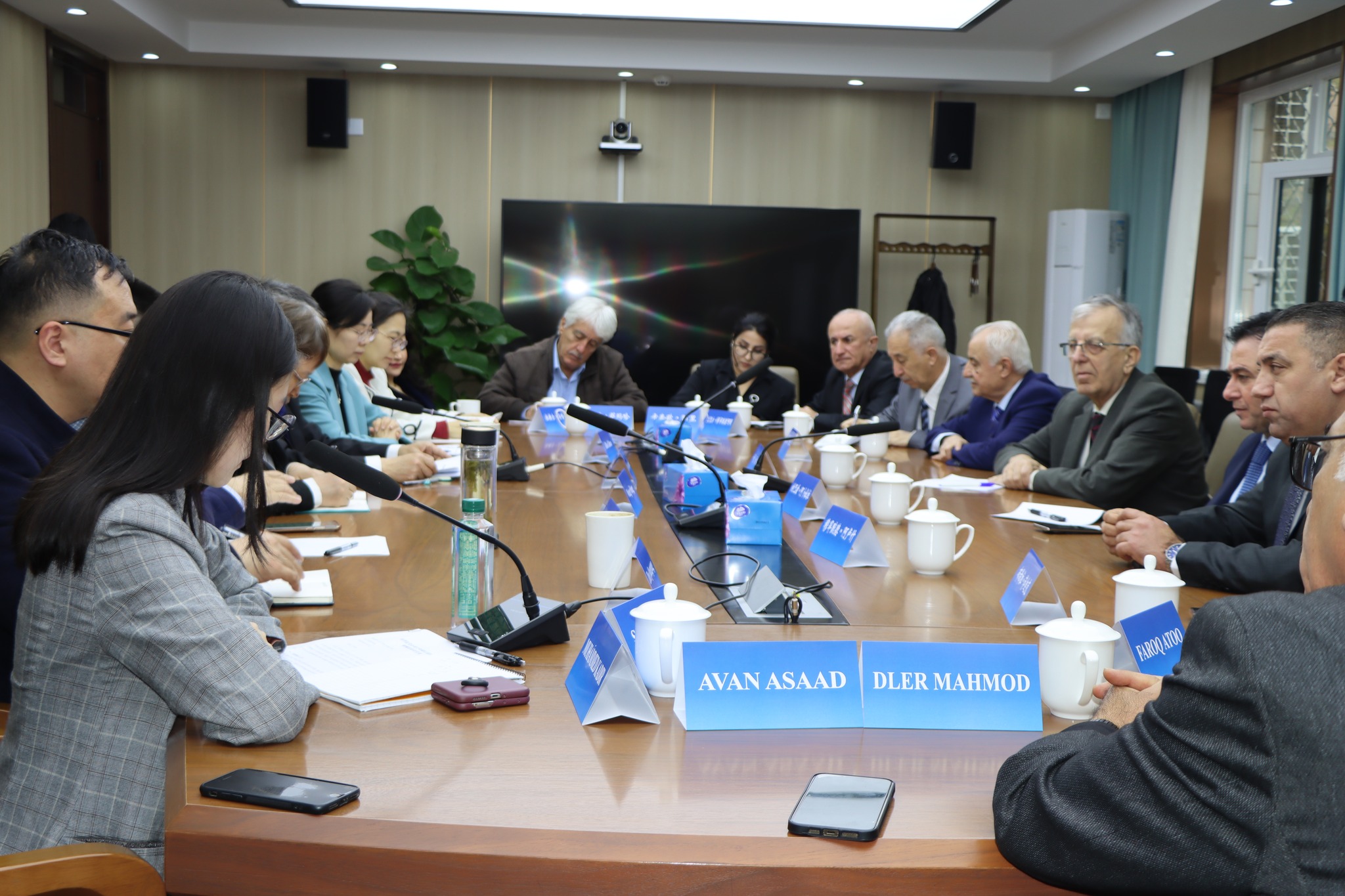
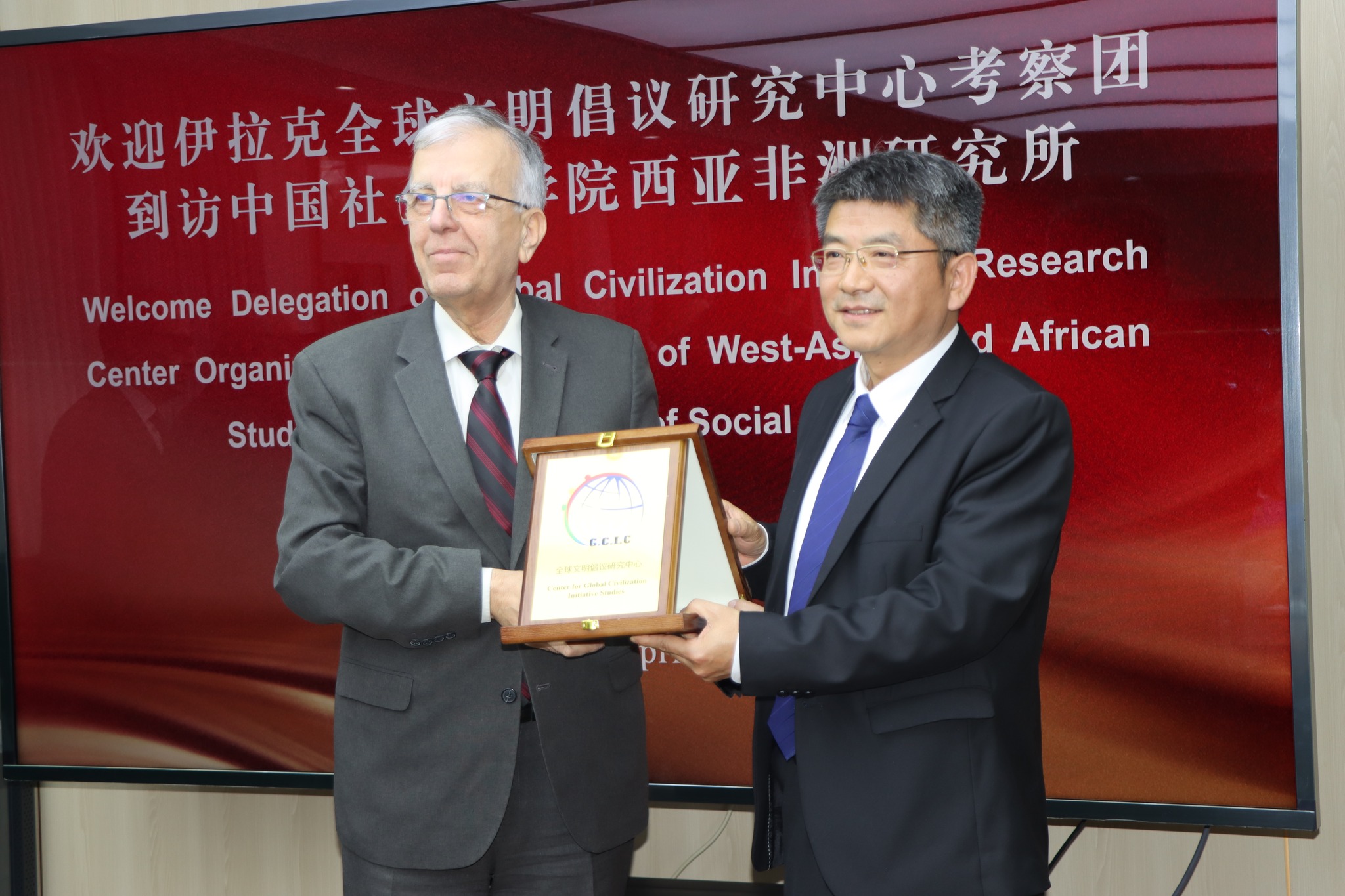
The delegation's first visit was to the "Institute of West-Asian and African Studies" (IWAAS) under the Chinese Academy of Social Sciences (CASS). This institute is considered a strategic decision-making center for regional affairs. In a joint meeting involving senior experts from the institute and representatives from the "China Institute of International Studies" (CIIS) and the IDCPC, intensive discussions were held on how to implement the "Global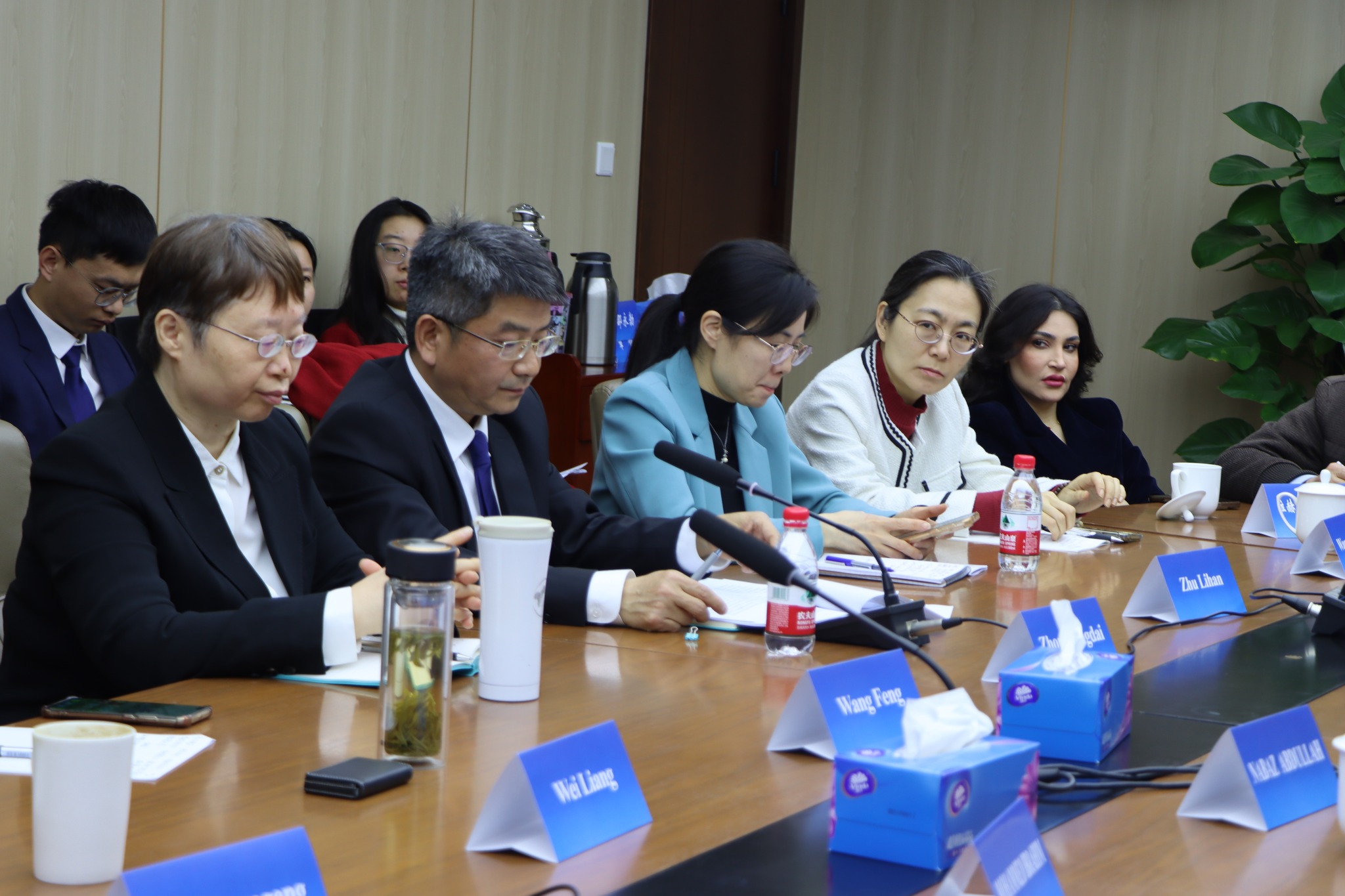 Civilization Initiative." It was noted during the meeting that the West Asia and Africa region will be a primary focus for strategic research in the future, and "China's new diplomatic thought" and its reflection on international relations were highlighted. The Chinese side expressed satisfaction with the existence of such a center, considering this step an important factor in bringing the perspectives of both sides closer. This meeting paved the way for scientific understanding, with the aim of holding joint conferences and researcher exchanges, so that the center becomes a leading hub in the region for analyzing global strategies and strengthening intellectual diplomacy. Later, the delegation visited the "China Institute of International Studies" (CIIS).
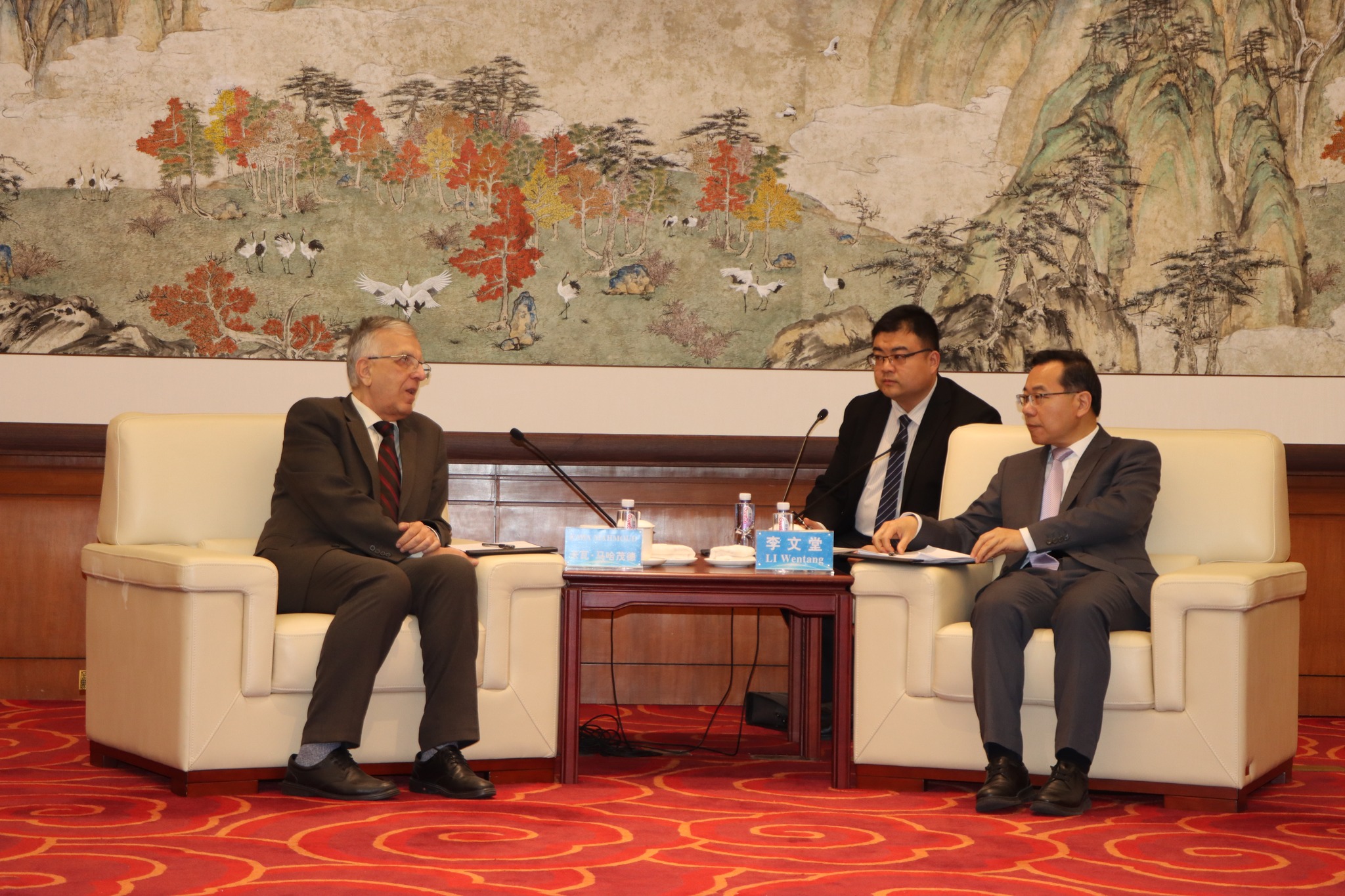
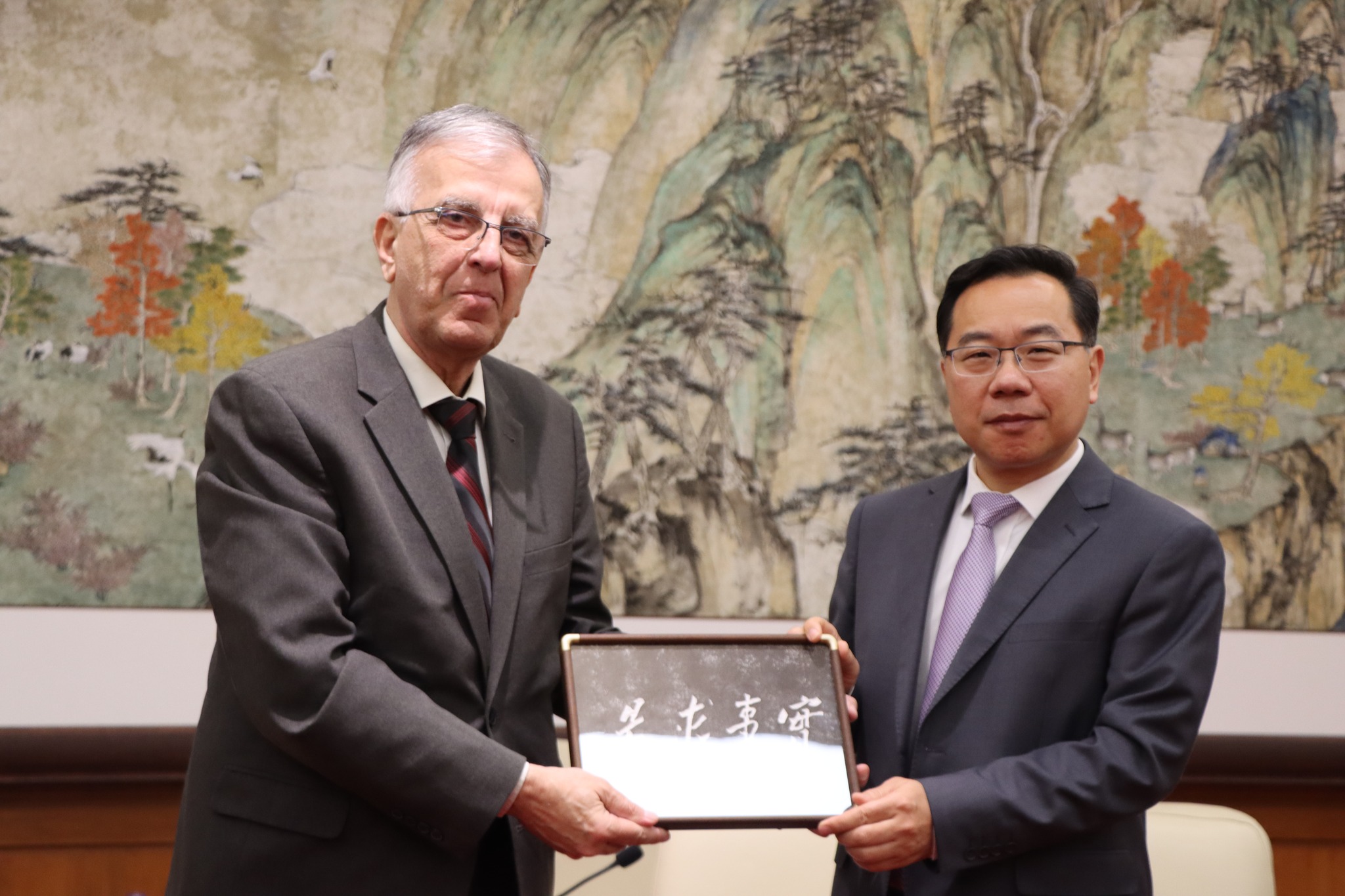
Civilization Initiative." It was noted during the meeting that the West Asia and Africa region will be a primary focus for strategic research in the future, and "China's new diplomatic thought" and its reflection on international relations were highlighted. The Chinese side expressed satisfaction with the existence of such a center, considering this step an important factor in bringing the perspectives of both sides closer. This meeting paved the way for scientific understanding, with the aim of holding joint conferences and researcher exchanges, so that the center becomes a leading hub in the region for analyzing global strategies and strengthening intellectual diplomacy. Later, the delegation visited the "China Institute of International Studies" (CIIS).In the afternoon of the same day, the delegation visited the "Party School of the Central Committee of the CPC (National Academy of Governance)." There, they were warmly received by Prof. LI Wentang, Vice President of the Academy, and Ms. DONG Qing, Director General of the International Cooperation Bureau, along with an accompanying delegation.
In a meeting, a detailed and intensive discussion took place on "Xi Jinping Thought on Diplomacy" and the four global initiatives, along with an analysis of the global situation and the role of new political thought. The mission of preparing leading cadres for state and party administration across 13 different fields was discussed, and the role of our center in training advanced and middle-level cadres and familiarizing them with the latest management theories was emphasized. With a strategic vision, the mechanisms of cooperation between the two sides were discussed, and finally, both sides reached an important agreement for the "Global Civilization Initiative Research Center" to become an effective intellectual partner.
April 10, 2026:
First Stop: Peking University
In the continuation of our center's scientific journeys, our significant stop was a visit to "Peking University" (PKU). To our center, this university is not just an educational institution but is seen as an "intellectual parliament" and the cognitive heart and center of China. This is where modern Chinese history was shaped, and the university became the cradle of the "May Fourth Movement" and major cultural changes.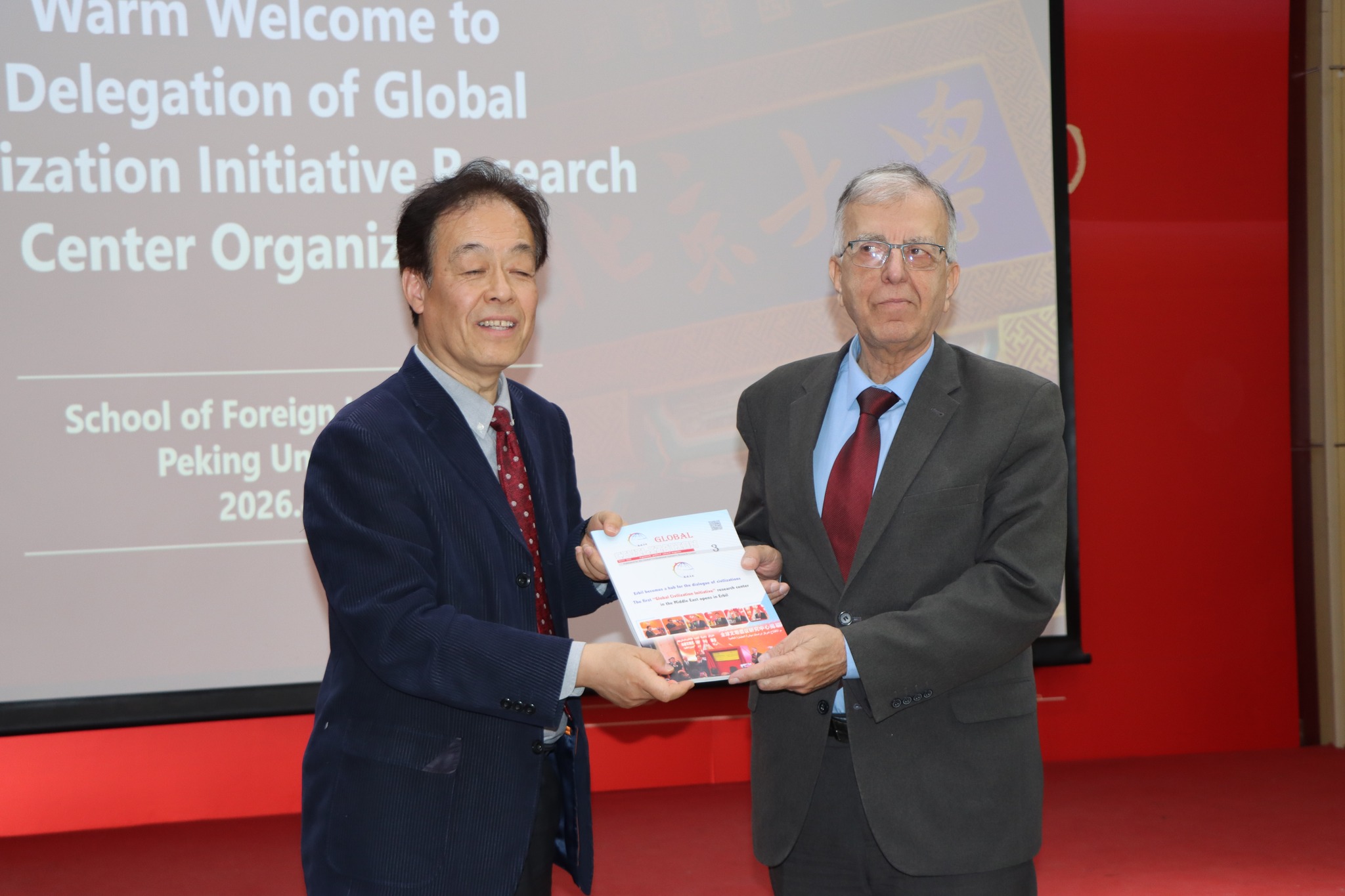
Peking University has a rich history of producing figures who changed the course of history; from LI Dazhao, the founder of the Communist Party and pioneer of academic Marxism, to Mao Zedong, who laid the intellectual foundation of the modern Chinese state from here. The unique role of CHEN Duxiu as Dean of the Faculty of Letters in preparing the country's political and cultural ground is also reflected. Even in modern history, this university has provided capable leaders like former Premier LI Keqiang.
As part of our visit, we discussed the issue of Kurdish language studies at this university. We emphasized that this department should go beyond just language learning and become a comprehensive center for "Kurdology." Our goal is to introduce Kurdish history, philosophy, and living civilization to the Chinese people so that their understanding of the Kurdish cause is at a deeper and academic level.
This visit to a university ranked among the top five in China and top fifty in the world is an effort to build a strong cognitive bridge. This cooperation opens a large door for our center's cadres and researchers to raise their advisory level through scientific exchange and participation in courses and seminars.
Second Stop: CGTN Arabic; A Bridge for Media Communication
In another part of our trip, we visited the headquarters of CGTN Arabic. As one of the most important international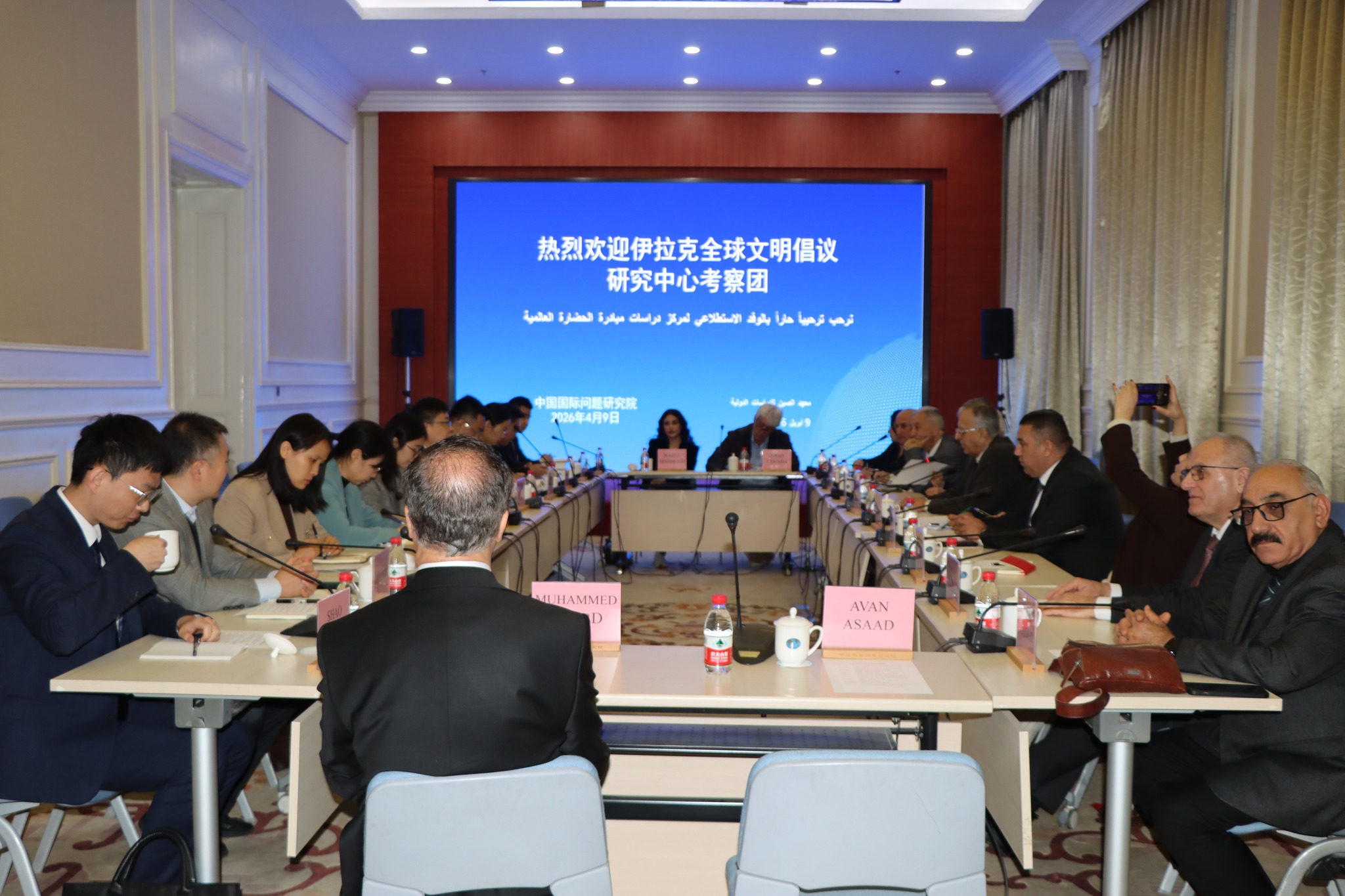 media platforms, this channel plays an effective role in conveying facts and creating understanding between Chinese civilization and the Arabic world and the region.
media platforms, this channel plays an effective role in conveying facts and creating understanding between Chinese civilization and the Arabic world and the region.In our meeting with channel officials, we emphasized the importance of coordination between the "Global Civilization Initiative Research Center" and this media institution. Our goal is to create a sustainable channel for the exchange of news, information, and research in a way that serves mutual understanding.
We believe that cooperation with CGTN is a golden opportunity to convey the voices of our researchers and further familiarize China's decision-making centers with the reality of the region. This understanding will not only remain at the media level but will become a seed for formulating a new cognitive discourse that is free from media distortion and serves the cultural and scientific interests of both sides.