Special Roundtable Convened to Discuss the "Future of the Middle East
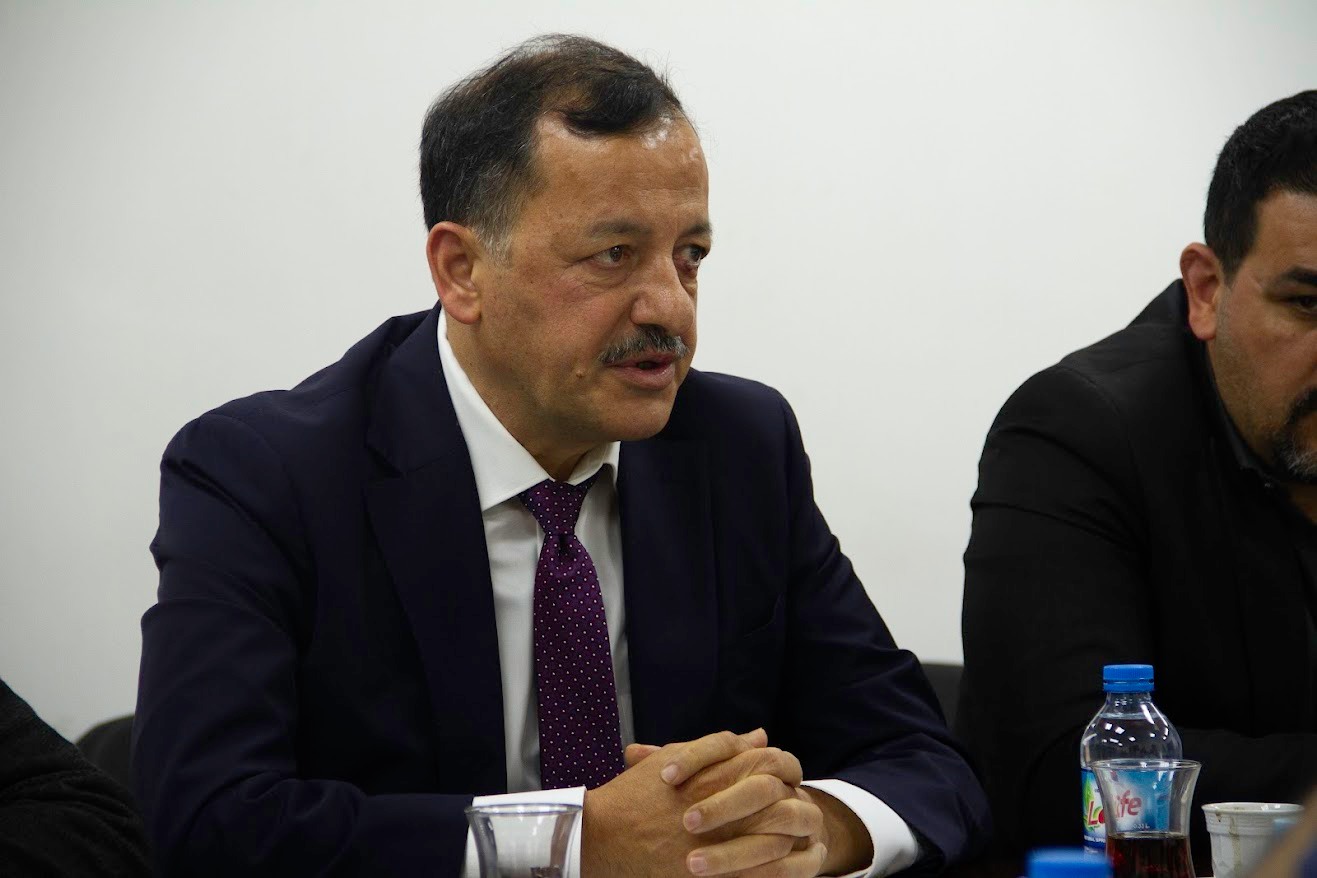
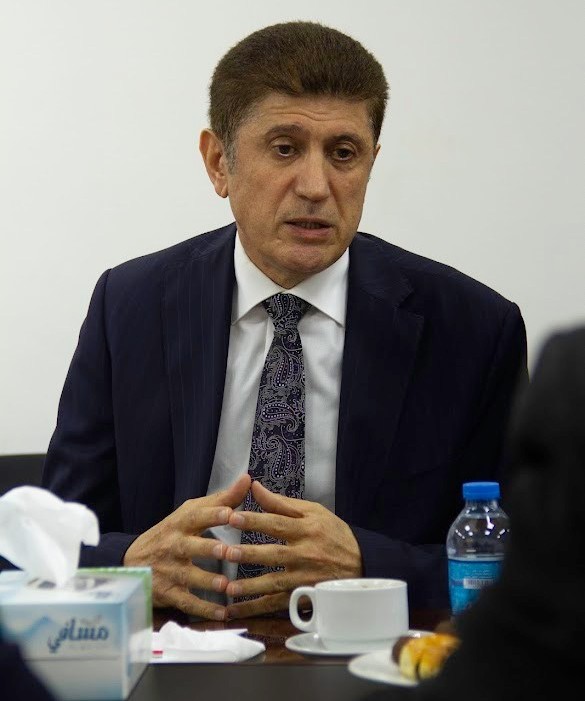
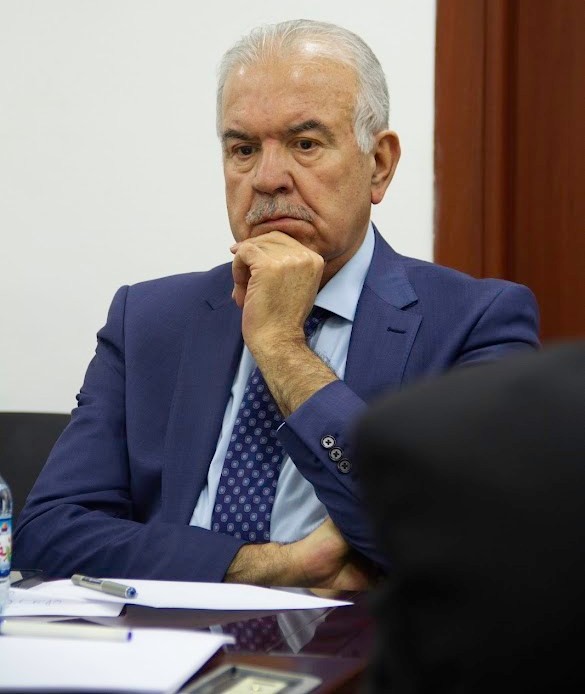
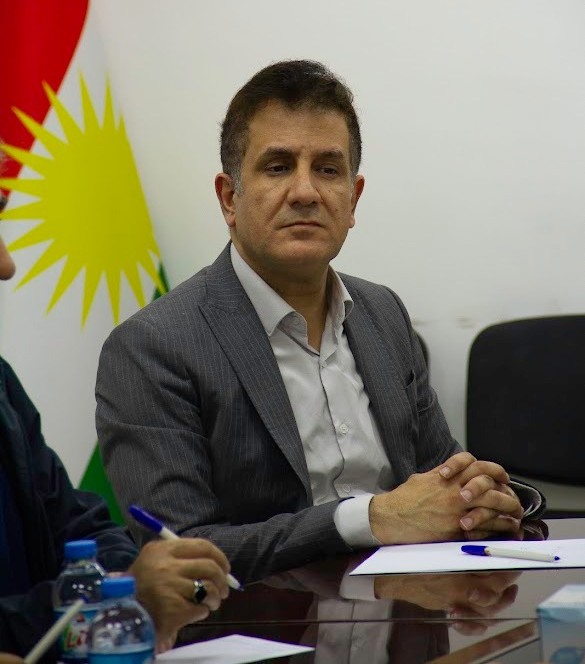
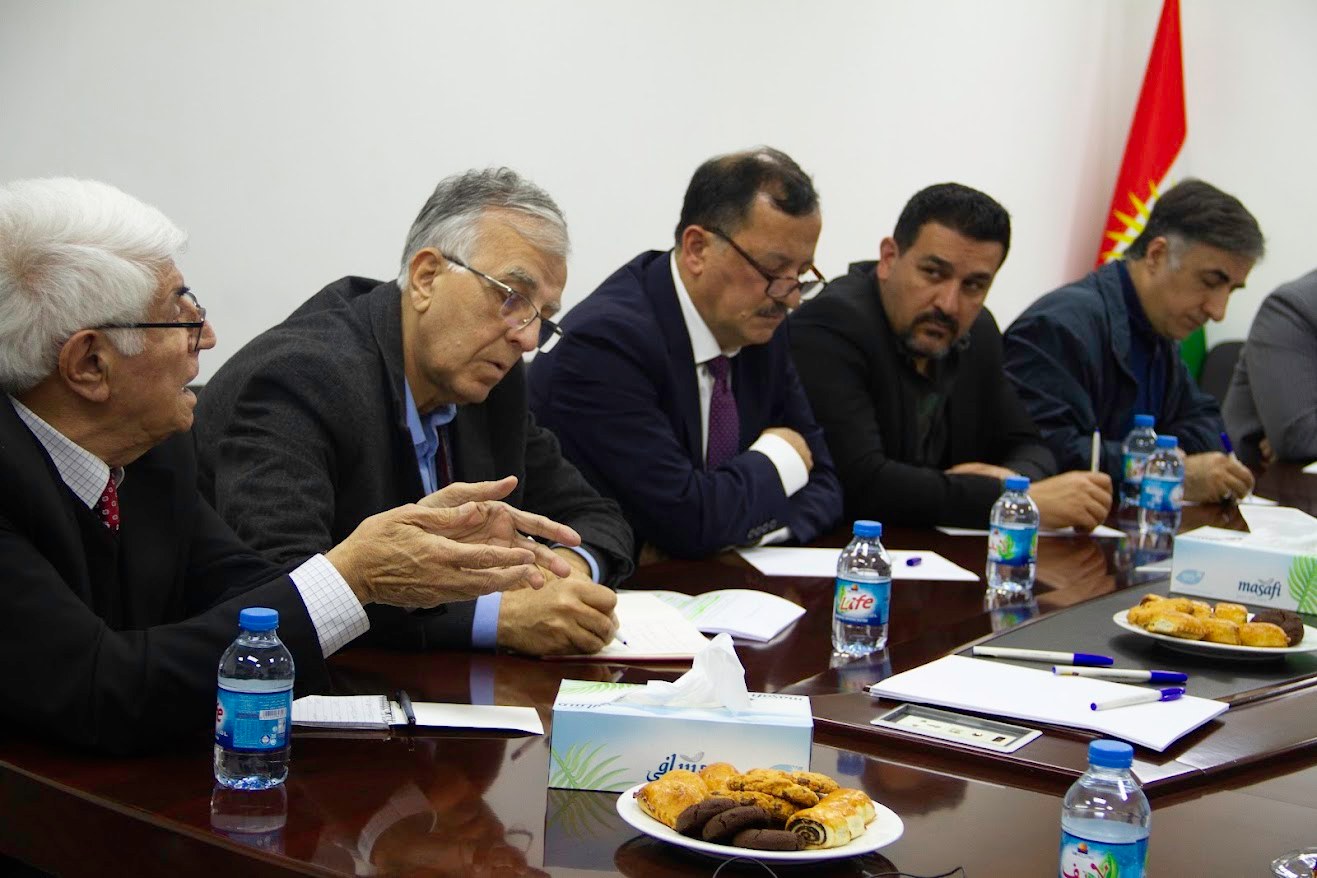
On Monday, February 9, 2026, the Institute for Research and Development- Kurdistan (IRDK), in collaboration with the Global Civilization Research Center, hosted a strategic roundtable discussion titled "The Middle East: In Which Direction is it Heading?" to analyze the shifting dynamics of the region.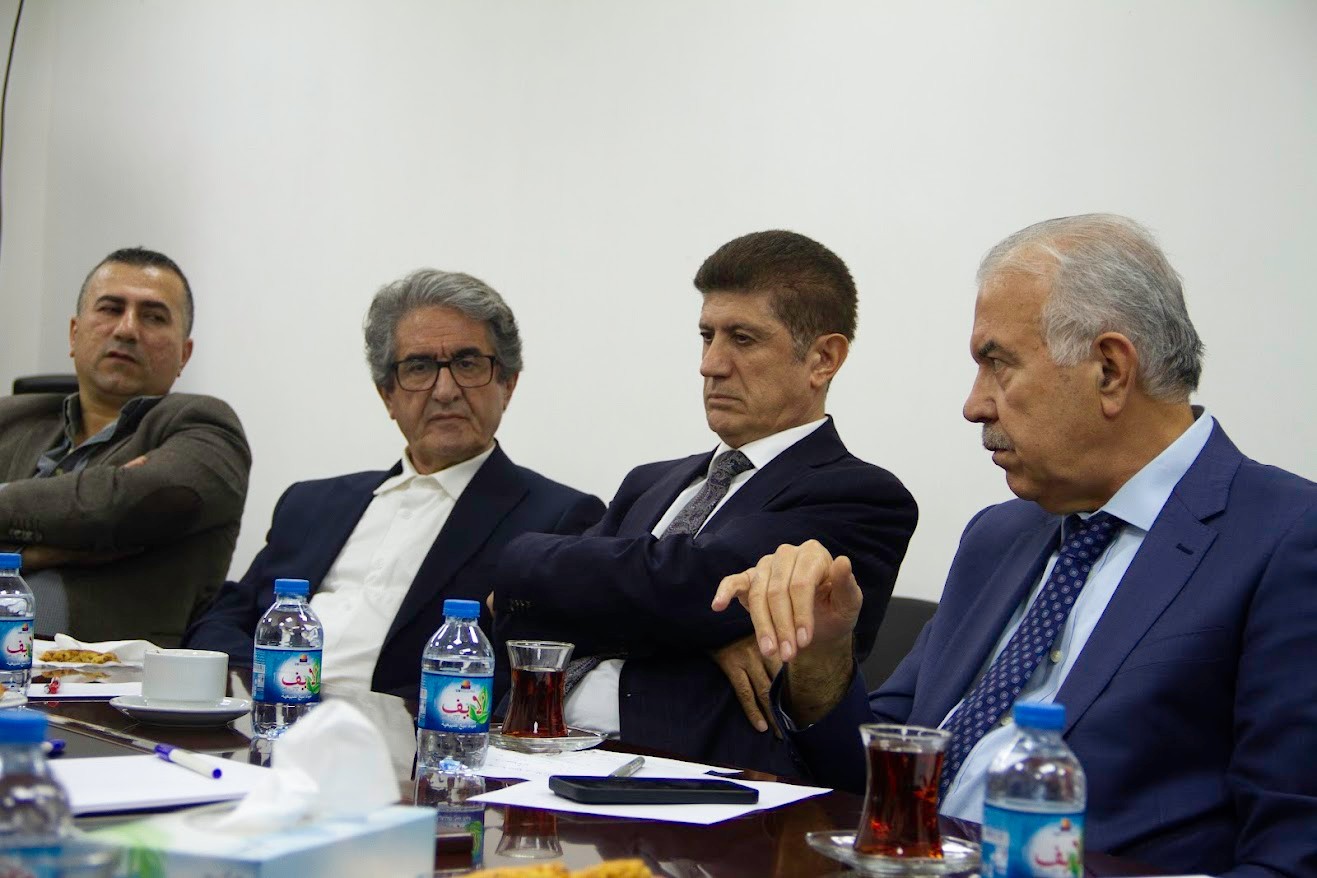
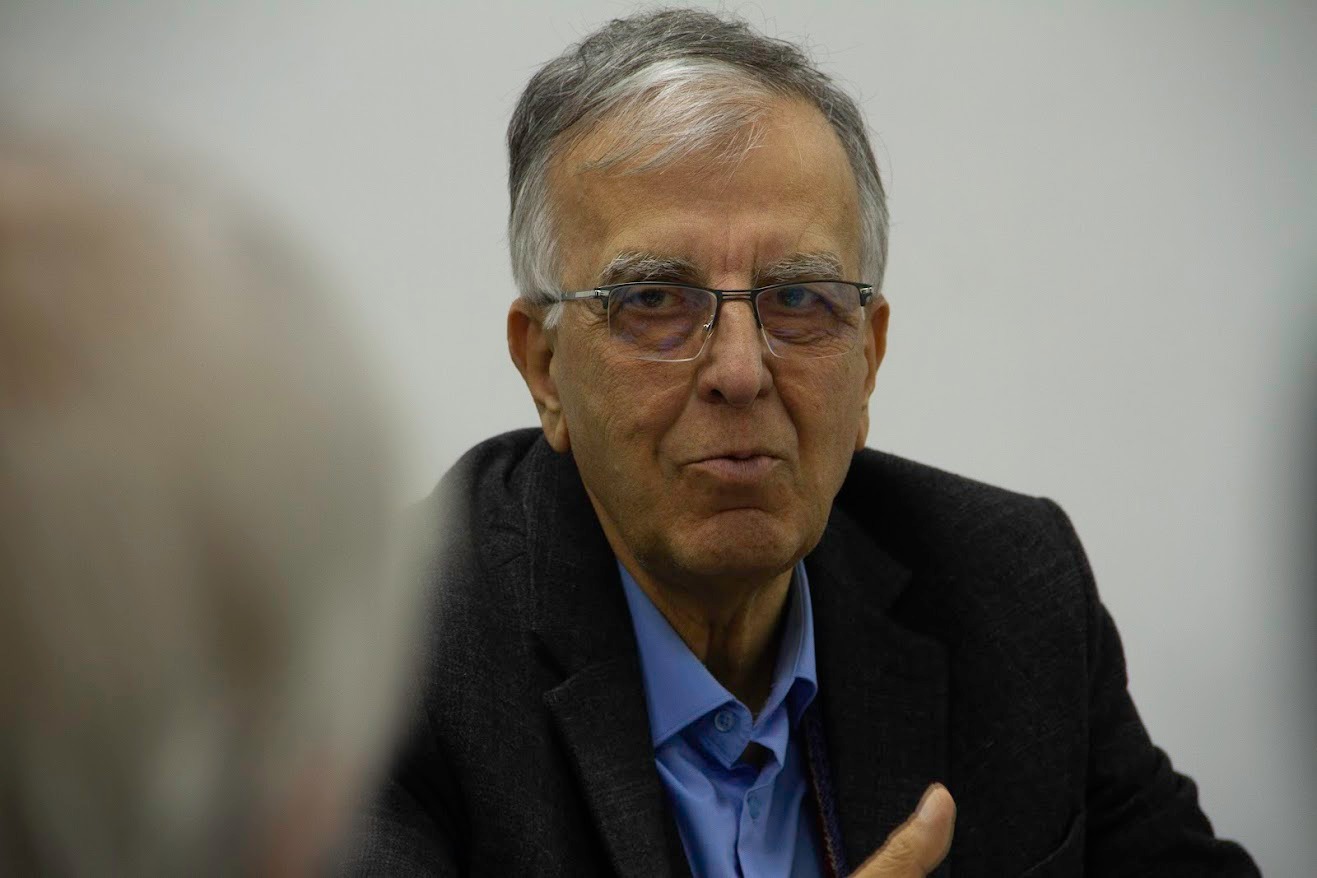
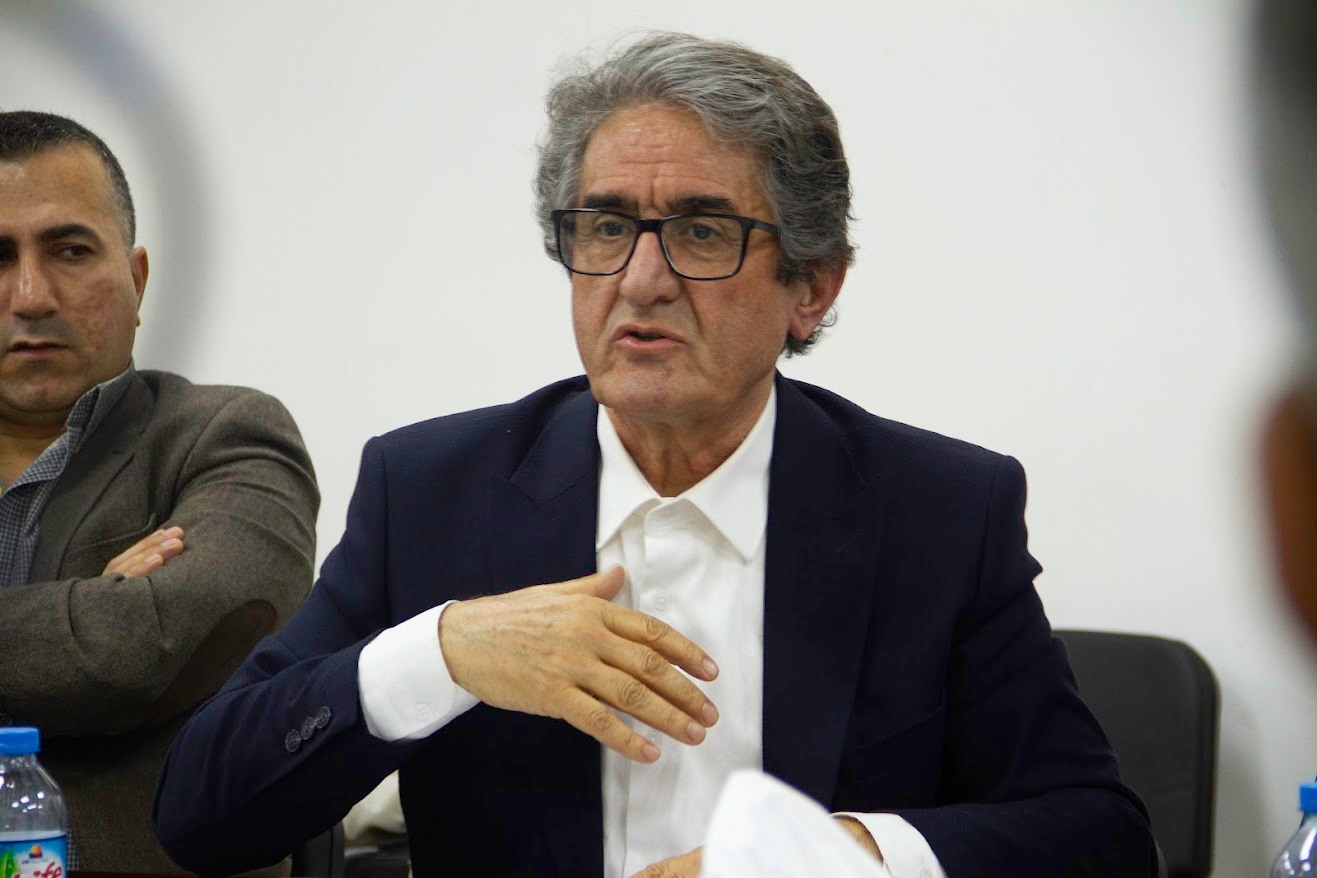
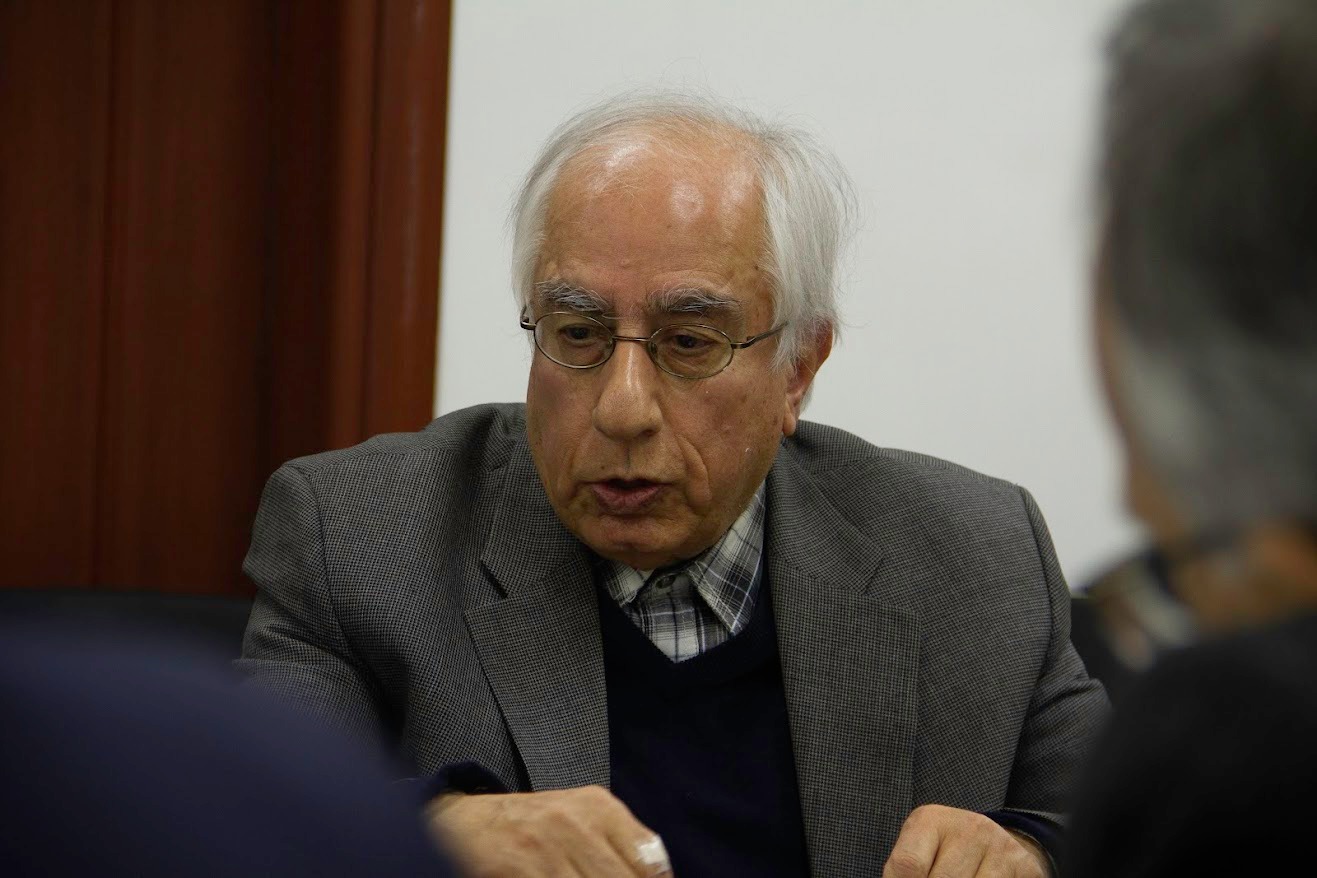
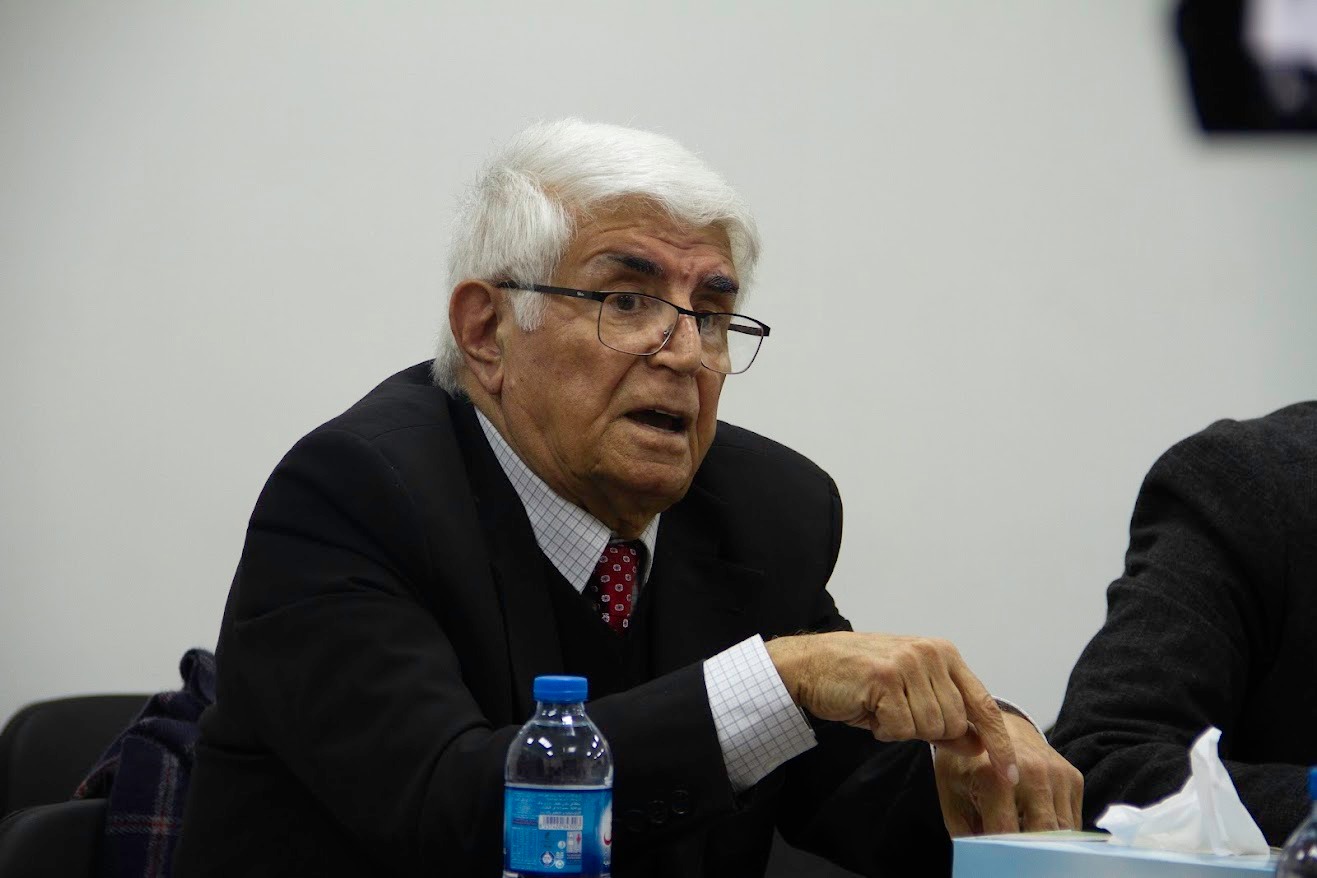
The symposium featured a distinguished panel of academics and political figures from both Southern (Iraqi) and Eastern (Iranian) Kurdistan. The participants included:
* Dr. Sherzad Najjar: Expert in Politics and International Relations.
* Hassan Sharafi: Political Researcher.
* Dr. Kawa Mahmoud: Director of the Global Civilization Research Center.
* Reza Kaabi: Political Researcher.
* Dr. Omar Nuradini: Specialist in Political Science.
* Hoshyar Siwaily: Head of the Foreign Relations Department of the Kurdistan Democratic Party (KDP).
* Saro Qadir: Director General of the Institute for Research and Development- Kurdistan (IRDK).
During the session, the speakers employed diverse analytical frameworks and various theories of International Relations to dissect the current state of the Middle East. The discussions offered comprehensive perspectives on both the immediate and long-term outlooks for the region's future.
The academic discourse further expanded to evaluate international conditions, the global balance of power, the formation of new international alliances, and the structural shifts within the New World Order.
A significant portion of the roundtable was dedicated to the situation in Kurdistan. The participants conducted an in-depth assessment of the Kurdistan Region’s status, identifying the specific challenges and strategic opportunities emerging within the current regional and global landscape.
The general consensus among the attending academics highlighted that the global system and the balance of power are undergoing profound transformations. They noted that the New World Order is evolving in a direction where states operate within a state of structural anarchy, increasingly seeking power and hegemony.
In light of these developments, the speakers emphasized the national and patriotic responsibilities of the Kurdish political elite and political parties. The discussion concluded with a call for rational political action and strategic foresight to navigate the ongoing political processes, ensuring the protection and realization of the rights of the Kurdish people.