
Nabaz Mustafa
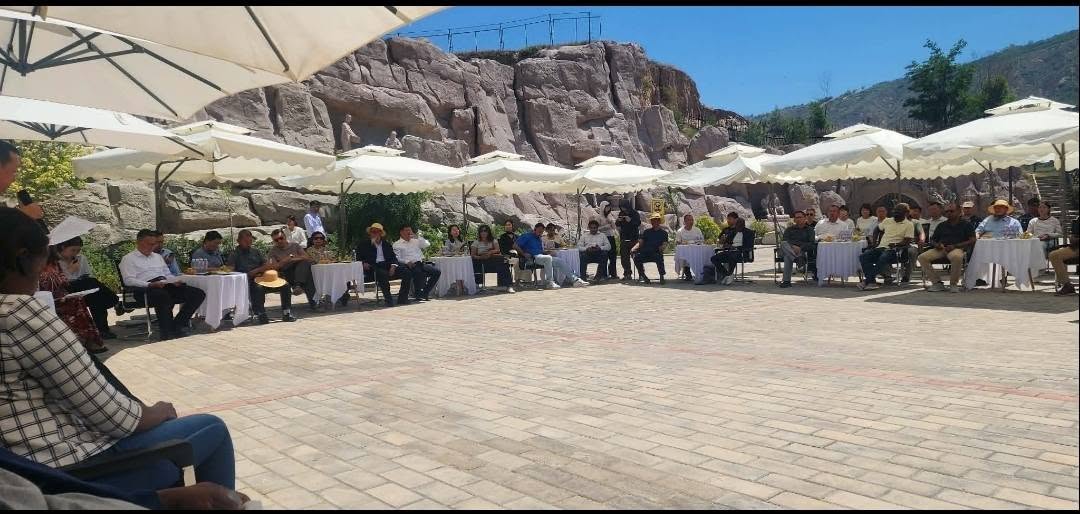
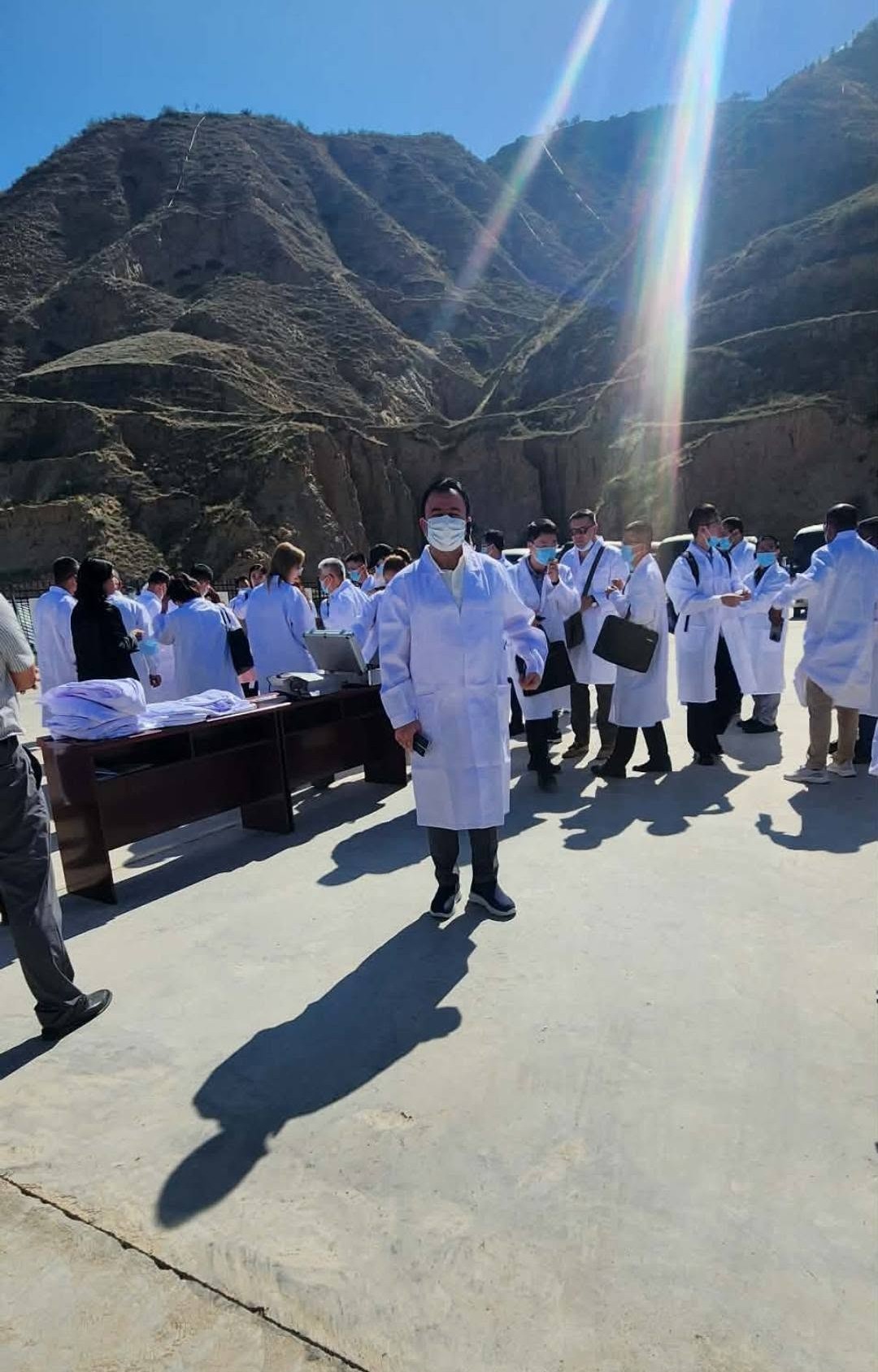
Following the official invitation from the International Department of the Communist Party of China (IDCPC), the first day of our visit as the Global Civilization Initiative (GCI) Research Center to Gansu Province and Bulenggou Village was a true embodiment of the intellectual objectives of the Global Civilization Initiative (GCI). During this journey, we witnessed how the philosophy of the Communist Party of China has transitioned from slogans into field actions to transform human lives.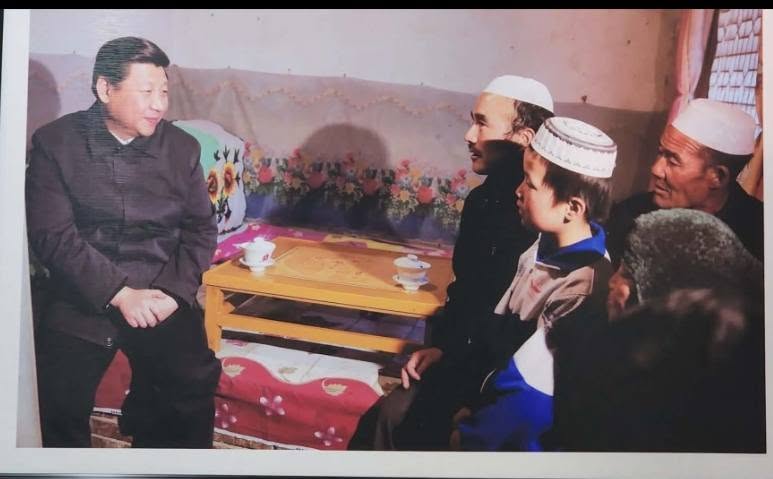
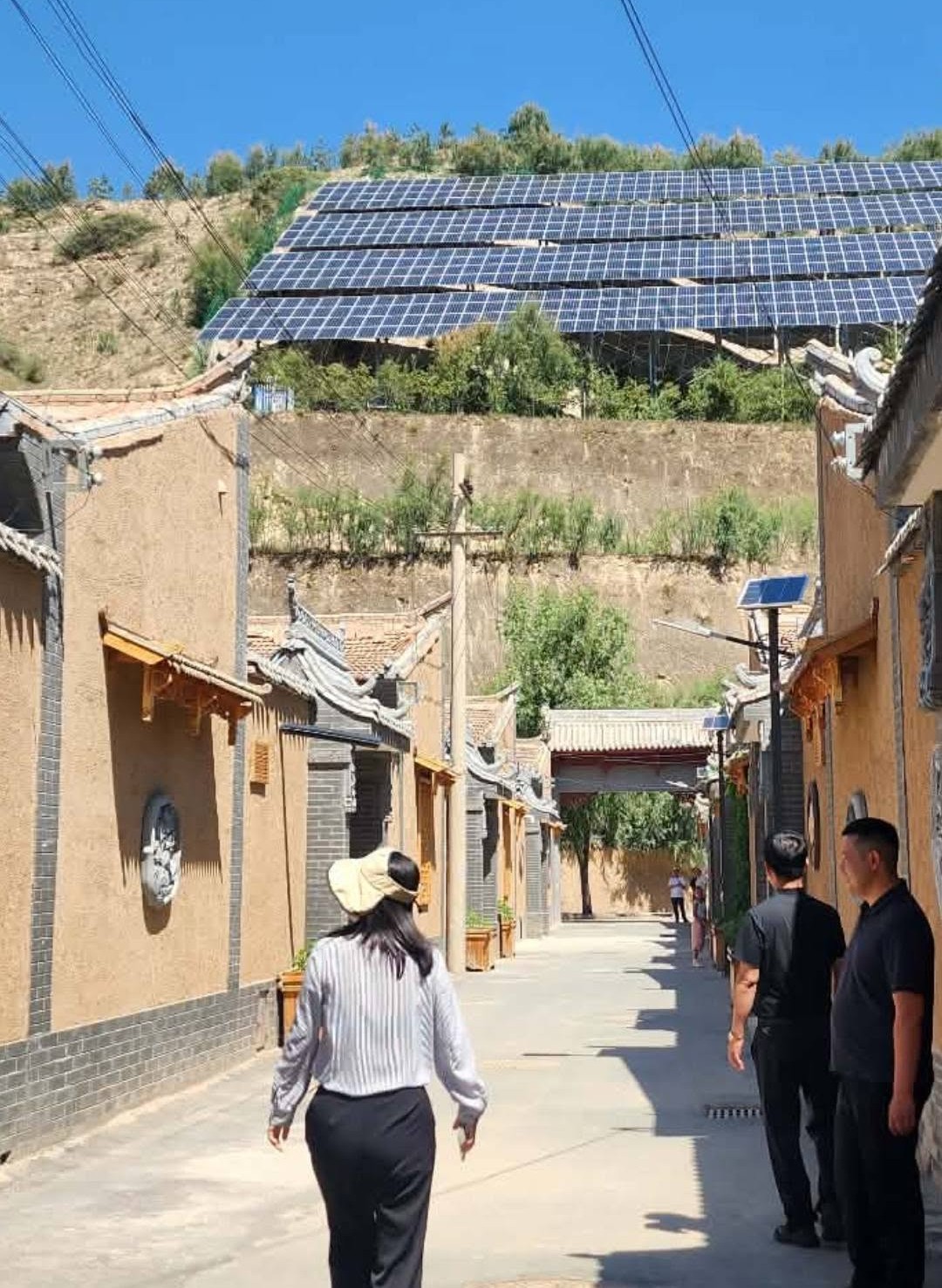
Before 2013, this village was at the heart of poverty and water scarcity. However, the historic visit of President Xi Jinping on February 3, 2013, served as a turning point. Through the continuous efforts and dedication of the party cadres, the village was transformed from cave-dwelling and water deprivation into a modern agricultural and tourism hub. Per capita income rose from 1,600 yuan to over 13,000 yuan, which signifies the essence of "social justice" within President Xi's initiative.
Gansu is a rare example of coexistence between different ethnicities and religions (such as the Dongxiang and Han people; Muslims and Tibetans). There, we understood that Chinese modernization respects cultural specificities and does not sacrifice development for the erasure of identity. This is exactly the message of the GCI to the world: that civilization, despite their differences, can unite on the basis of shared interests.
The efforts to protect the Yellow River and provide water to arid regions indicate that China’s new civilization is a "green civilization." This is a global lesson on how political struggle can create a balance between technological progress and environmental protection.
As a research center, we concluded that the experience of Gansu and Polangou is not merely a story of China's success, but rather a roadmap for all nations that seek to escape poverty with dignity and live in peace with the world.
 |
 |